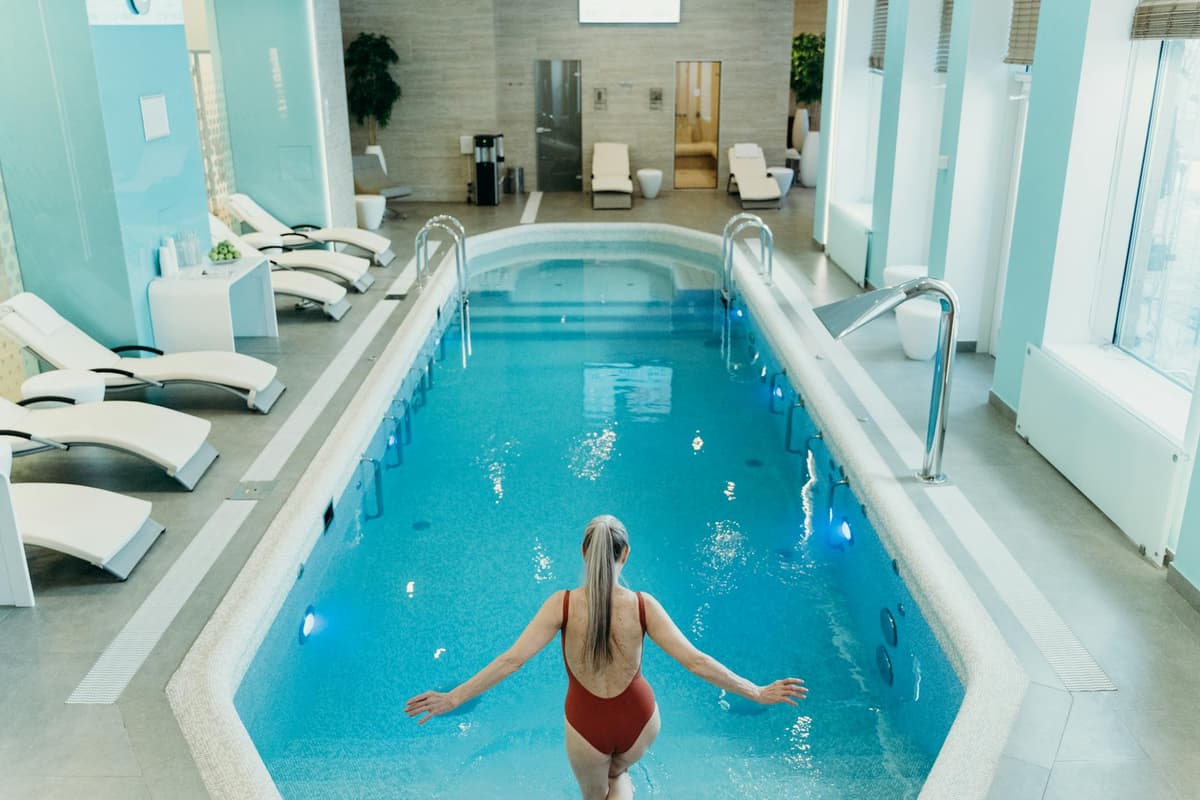
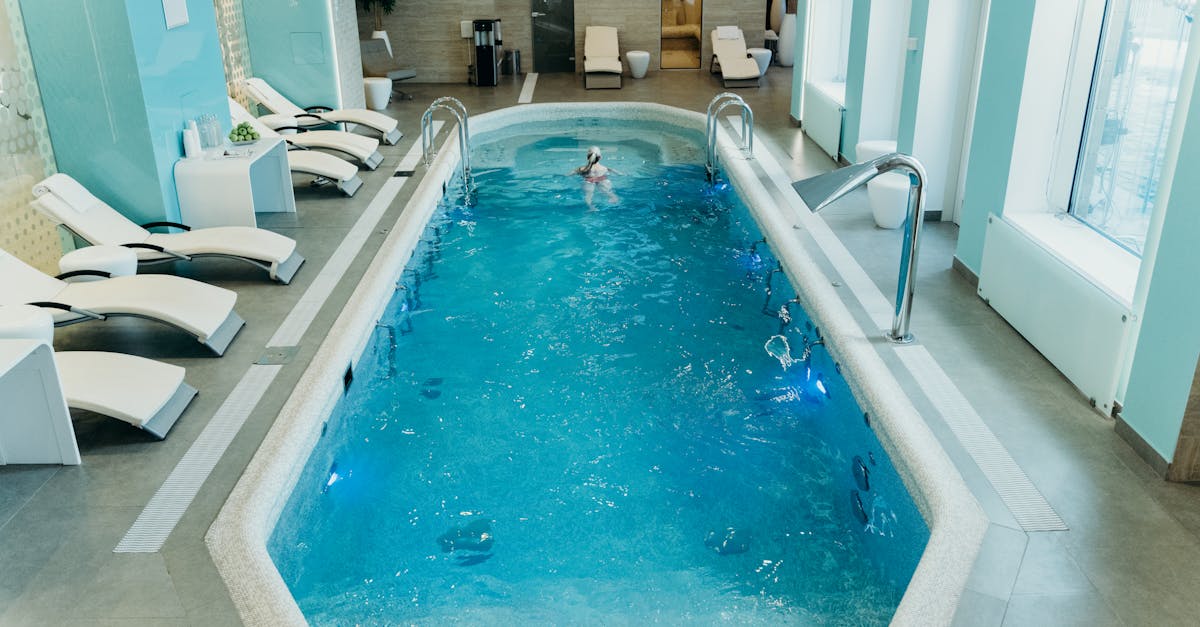
Spa and Wellness: The Revenue Stream Hotels Are Finally Taking Seriously
For much of the last two decades, hotel spas occupied an awkward position in the commercial hierarchy of the properties that housed them. Required by the upscale brand standards that mandated their presence, they were frequently loss-making operations cross-subsidised by rooms and F&B, tolerated rather than truly invested in. That dynamic is changing, and changing fast.
Why Hotel Spas Are Finally Generating Real Returns
The global wellness economy has grown to a scale that demands serious commercial attention. Research from the Global Wellness Institute values the industry at over six trillion dollars annually, with hotel wellness representing one of the fastest-growing segments. The post-pandemic consumer has recalibrated their relationship with health, longevity, and the role of travel in maintaining both. Hotels positioned to serve that consumer are discovering that wellness can be a genuine P&L driver rather than a brand amenity.
Programming as the Key to Premium Pricing
The distinction between hotels that are capitalising on this shift and those that are not comes down to intentionality. Operators who have treated their wellness offering as a programme, with clear guest personas, considered programming, and a coherent commercial strategy, are generating spa revenue per available room that would have seemed implausible five years ago. Those who maintain a collection of treatment rooms and a sauna but have not invested in the guest experience architecture around them continue to underperform.
Programming is the key variable. A wet area and a menu of standard massages is table stakes; it is the curated journey that creates the margin. Properties leading in this space have developed signature experiences that cannot be replicated elsewhere, treatments that draw on local botanical knowledge, rituals rooted in regional cultural traditions, wellness itineraries that extend across multiple days and involve the broader destination. These experiences command premium pricing and generate word-of-mouth that no marketing budget can replicate.
The Residential Wellness Model and Its Commercial Case
The residential wellness model, in which guests come specifically for a multi-day programme rather than treating the spa as an add-on to a leisure break, is attracting significant capital. Properties designed from the ground up around this model, with nutritional programming, movement facilities, and sleep optimisation infrastructure integrated from the architectural brief, are operating at ADRs and RevPAR levels that shame the broader luxury market.
Day Visitors: The Underdeveloped Revenue Opportunity
Day visitors represent a chronically underdeveloped revenue opportunity for most hotel spas. A property with high spa quality and a strong local brand can generate meaningful non-room revenue by opening its facilities and programming to non-staying guests, subject to capacity constraints that protect the experience for hotel guests. The commercial model requires careful calibration, but properties that have got it right describe spa day visits as one of their most efficient revenue streams.
Staffing remains the constraint that limits most operators. Qualified wellness practitioners are scarce, and the labour economics of premium treatments are challenging. Investment in training pipelines, competitive compensation, and the working environment for wellness staff is becoming a genuine strategic priority for operators who understand that the quality of the human interaction is the product.
Frequently Asked Questions
How do hotel spas become profitable?
Hotel spas become profitable when they move beyond standard treatment menus to offer curated wellness journeys with genuine differentiation, signature treatments rooted in local traditions, multi-day residential programmes, and a spa culture that attracts guests specifically rather than serving only captive hotel visitors.
What is the residential wellness hotel model?
The residential wellness model designs properties from the ground up around a specific wellness philosophy, nutritional programming, movement facilities, sleep optimisation infrastructure, and medical-grade diagnostics. Guests commit to multi-day programmes rather than day visits, driving significantly higher ADR and length of stay than comparable luxury hotels.
Should hotel spas open to day visitors?
Day visitor programmes, carefully managed to protect hotel guest experience, represent one of the most efficient revenue streams available to quality hotel spas. The key is capacity discipline, opening day visitor access only when hotel guest demand allows, and pricing day packages at a premium that reflects the full cost of the experience.

About the author
Claire FontaineClaire Fontaine specialises in luxury hospitality, wellness, and the evolving definition of guest experience at the upper end of the market. Her writing draws on extensive access to flagship properties across Europe and Asia.