Maria Chen on Redefining the Luxury Spa Experience
Maria Chen is one of the most influential voices in luxury spa and wellness design globally. She has overseen the wellness programmes of flagship properties on four continents and advised governments on wellness tourism strategy. In this conversation, she shares a vision for what spa and wellness can become, and explains why most hotels are still dramatically underachieving the potential of the category. Her perspective is grounded in decades of operational reality: she has designed programmes, hired the practitioners to run them, and watched closely which investments in luxury guest experience actually move the needle on satisfaction and return visits.
We open by confronting the gap between wellness marketing and wellness reality. Maria is direct: the majority of hotel spas are still delivering a transactional service, a massage, a facial, a steam, packaged in language borrowed from the wellness world but lacking the substance behind it. Guests who have experienced genuinely transformative wellness programming are increasingly able to tell the difference, and they are voting with their feet. The $800 billion wellness tourism market is not distributed evenly. The operators building genuine depth of wellness offer are capturing a disproportionate share of it, and the gap between them and properties still running commodity spa menus is widening every year.
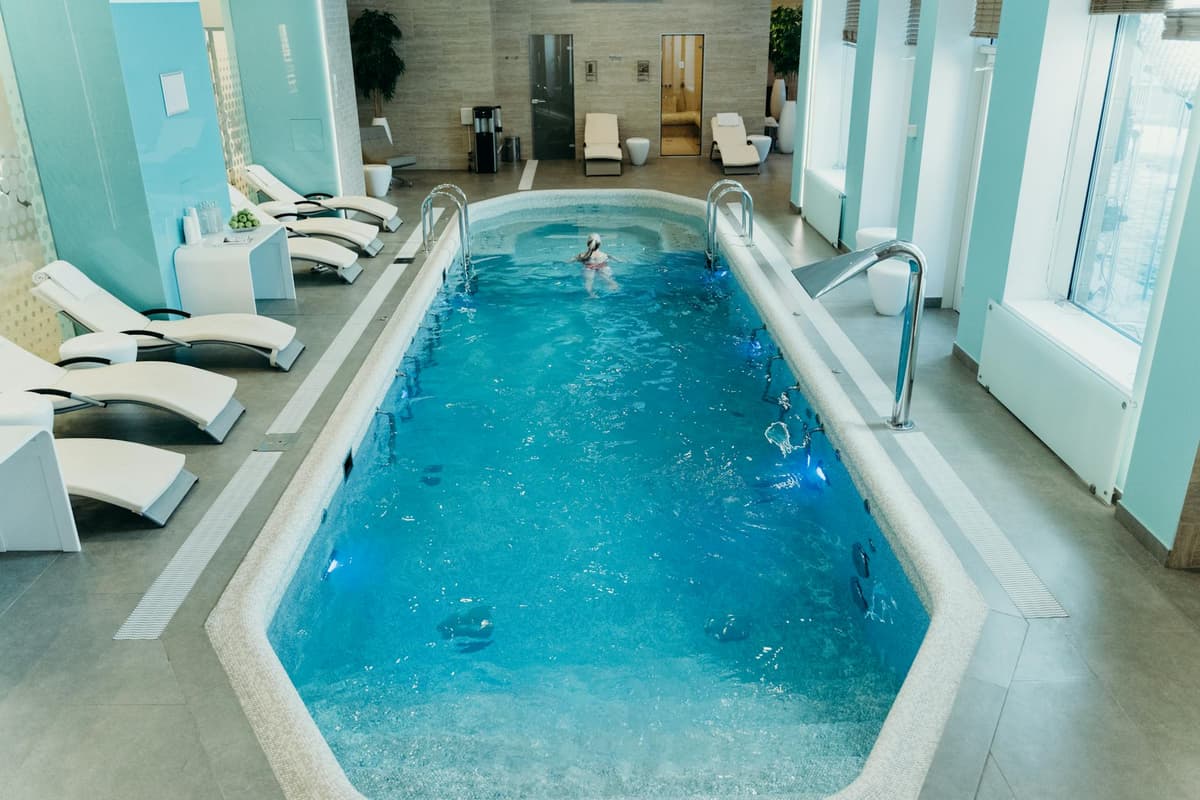
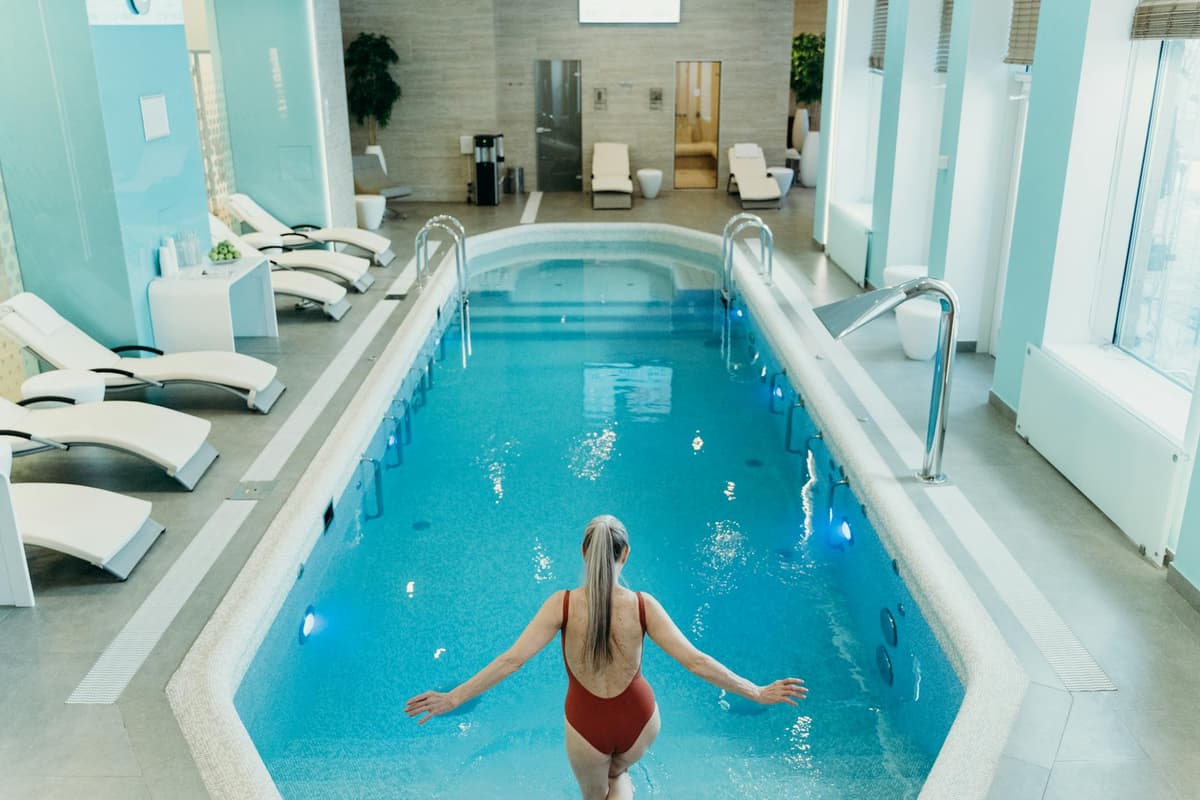
Maria articulates what she calls the three pillars of a world-class wellness offering: scientific credibility, cultural authenticity, and environmental integration. Properties that do all three are rare, but the ones that do are building something close to irreplaceable. She gives examples from across her portfolio, not naming properties, but describing in precise terms what distinguishes them. A spa with scientific credibility is one whose programming is grounded in evidence and delivered by practitioners trained at the highest level. Cultural authenticity means drawing on genuine local traditions rather than generic wellness vocabulary. Environmental integration means designing spaces where the natural world is a therapeutic element, not merely a backdrop.
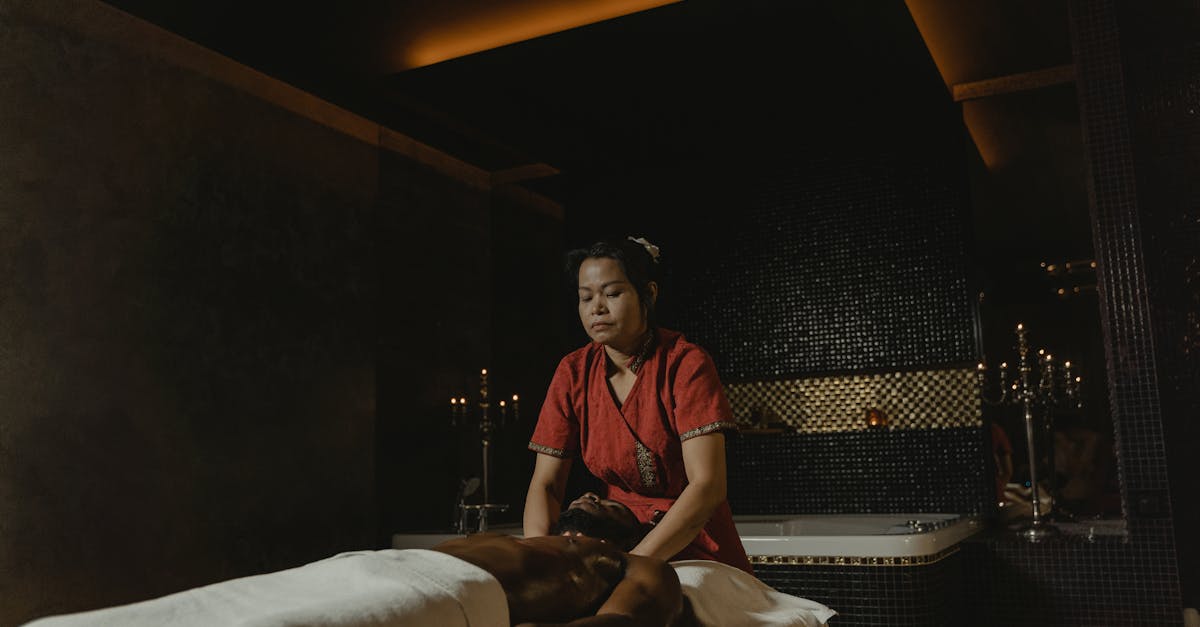
The conversation explores the staffing dimension in depth. Recruiting practitioners with both technical excellence and the emotional intelligence required for genuine therapeutic connection is extraordinarily difficult. Maria's approach to building and retaining these teams, including how she structures compensation, growth pathways, and professional development, offers a blueprint that most hospitality operators have not yet considered. The properties competing most effectively for the best wellness talent are not necessarily the ones paying the highest base salaries. They are the ones offering the most intellectually serious and professionally fulfilling programmes, with genuine investment in continuing education and clinical development.
We close on the intersection of technology and wellness, a frontier Maria approaches with enthusiasm but also with clear-eyed caution. The technology that serves wellness best is the kind that gets out of the way. Guest experience platforms that handle scheduling, preferences, and room environment configuration invisibly are genuinely useful. Technology that intrudes on the therapeutic environment, or that substitutes data collection for human attentiveness, is counterproductive. The future of luxury spa design, Maria concludes, will be defined by properties that understand this distinction and build their hotel technology stack accordingly.

Hospitality121 Podcast
Maria Chen on Redefining the Luxury Spa Experience
Maria Chen · 48 min
Listen on
Episode notes
We explore the gap between wellness marketing and wellness reality, what separates transformative spa programmes from transactional ones, and where technology fits into the future of luxury wellness.
Key Takeaways
- Most hotel spas are still delivering a transactional service packaged in wellness language — guests who know the difference are voting with their feet.
- The three pillars of a world-class wellness offering are scientific credibility, cultural authenticity, and environmental integration.
- Recruiting practitioners with both technical excellence and emotional intelligence is the single hardest staffing challenge in luxury hospitality.
About Maria Chen
Global Luxury Spa & Wellness Director
Maria Chen has overseen wellness programmes at flagship luxury properties on four continents and has advised governments on wellness tourism strategy, making her one of the most influential voices in spa design globally.
LinkedIn Profile →About the author
Maria ChenMaria Chen covers hospitality developments across Asia Pacific, with a focus on luxury, branded residences, and the fast-evolving Chinese outbound travel market.