The New Rules of Boutique Hotel Design in 2026
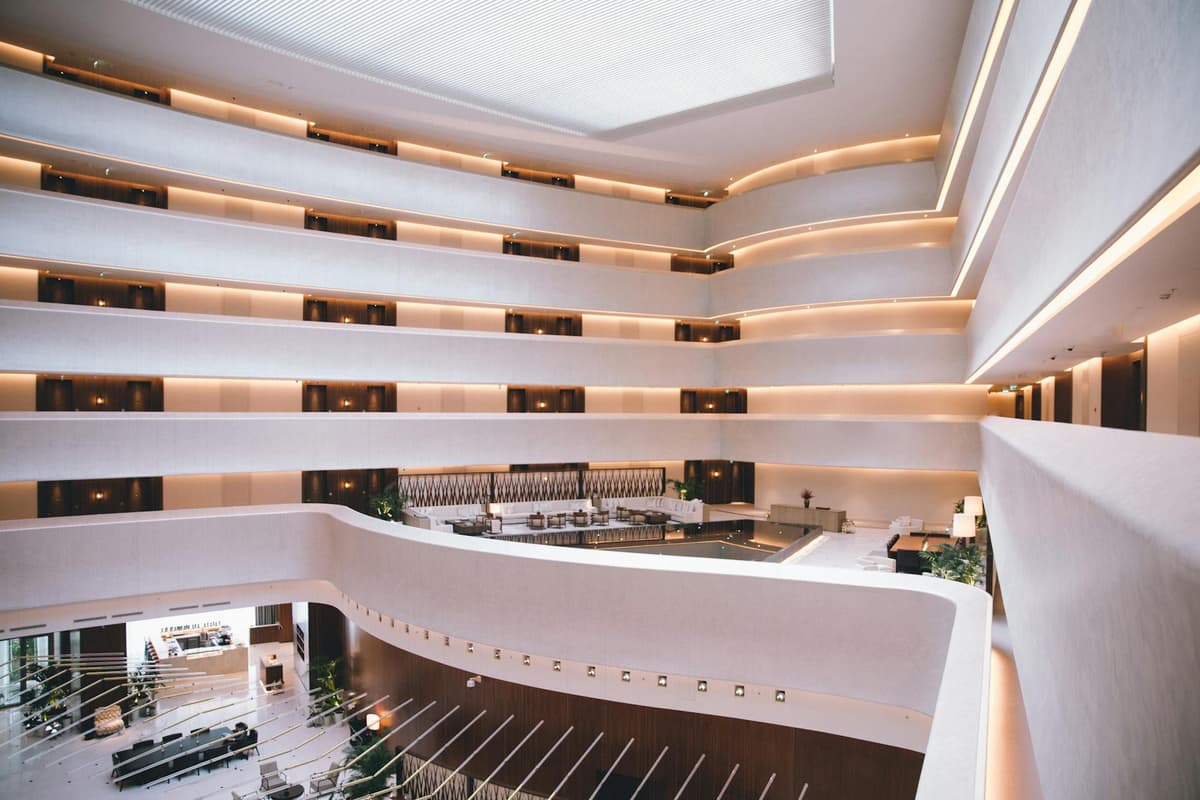
Boutique hotels are rewriting the design playbook. Where the category once meant exposed brick and Edison bulbs, today's most compelling properties are defined by something harder to manufacture: genuine specificity of place.
Specificity of Place as the New Design Standard
The shift began in earnest after the pandemic, when guests, having spent years in identical interiors, returned to travel with a sharper appetite for the irreplaceable. Properties that had invested in local craft, regional materiality, and neighbourhood storytelling found themselves oversubscribed. Those that had defaulted to global hospitality aesthetics found themselves struggling to command a premium.
Design director Amara Solis, whose studio has completed eleven boutique properties in the past two years, describes the new brief she receives from developers as markedly different from a decade ago. "Clients no longer ask for a look. They ask for a logic, why does this building make sense in this place, and how does every detail reinforce that answer?" The implication is that design has become inseparable from programming and brand strategy.
Material Palette and the Local Sourcing Imperative
The material palette shift is unmistakable. Stone sourced within fifty kilometres of a property. Textiles woven by regional artisans whose names appear on in-room cards. Furniture built by local makers working in traditional techniques adapted for contemporary living. These are no longer differentiating gestures; they are baseline expectations for a discerning guest.
Technology Integration: From Novelty to Invisibility
Technology integration has matured from novelty to invisibility. The best-designed boutique hotels in 2026 are not the ones where you notice the smart home system, they are the ones where you do not notice it at all, because everything simply works. Lighting scenes activate as you enter rooms. Temperature adjusts quietly. The friction of unfamiliar interfaces has been designed out.
Sustainability is no longer a marketing add-on but an embedded design constraint. Specifiers are choosing materials not merely for their aesthetic properties but for their supply chain transparency and end-of-life consideration. Reclaimed timber, recycled metal, natural finishes that age gracefully rather than degrading, these choices are increasingly non-negotiable for owners who understand that environmentally literate guests are paying attention.
Public Space as Community Anchor
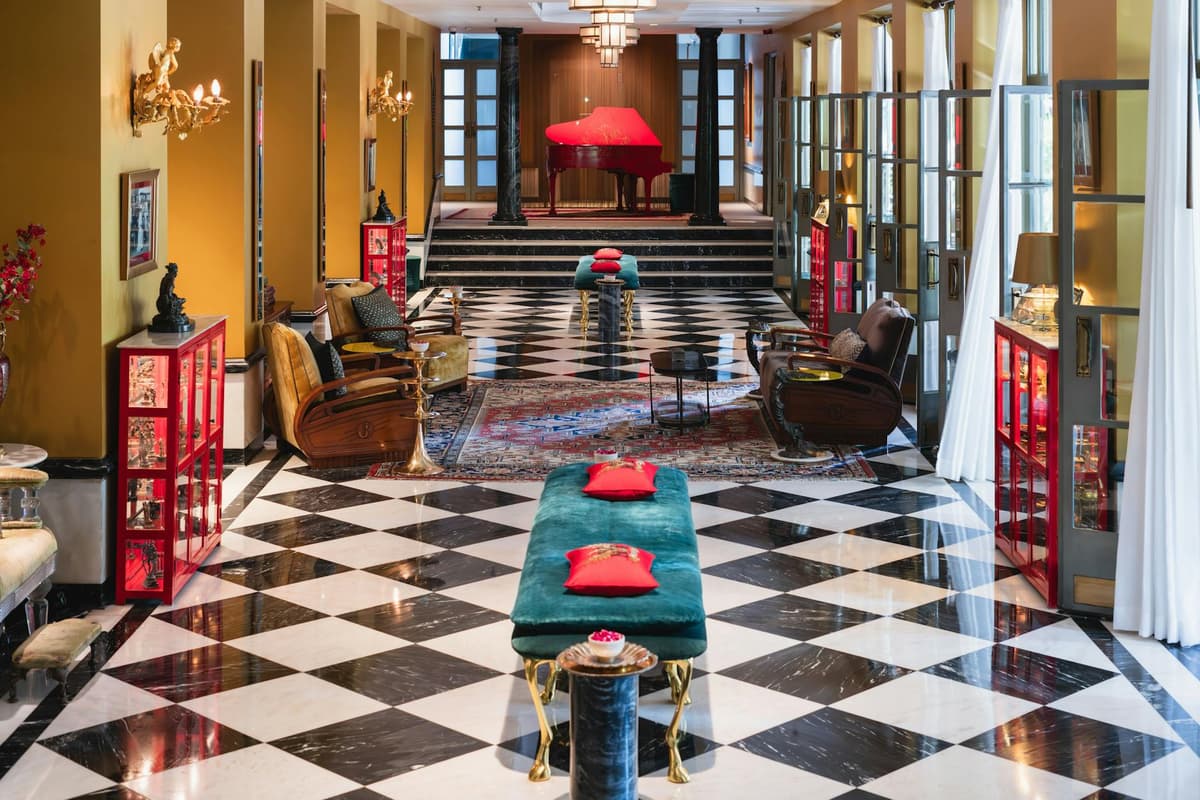
Public space strategy has perhaps changed most dramatically. The lobby-as-transaction-point is dead; the lobby as neighbourhood living room is very much alive. The most successful boutique properties function as community anchors, drawing locals as well as guests to a bar, restaurant, co-working space, or gallery programme that gives the building a reason to exist independent of its room count.
What unites these trends is the recognition that boutique hospitality, at its best, is an act of editorial intelligence, a curated argument about what a place is and what it values. In a market where the supply of new keys has never been higher, that argument is what commands loyalty.
Frequently Asked Questions
What defines boutique hotel design in 2026?
Boutique hotel design in 2026 is defined by genuine specificity of place, materials sourced locally, artisans named, furniture made by regional makers. The design must answer a clear question: why does this building make sense in this exact location? Properties that cannot answer this are defaulting to global hospitality aesthetics that fail to command a premium.
How is technology integrated in boutique hotels?
The best boutique hotels in 2026 integrate technology invisibly, lighting scenes that activate automatically, climate that adjusts quietly, mobile key that works reliably. The goal is zero friction without any sense of being managed. Technology that announces itself, through confusing interfaces or unreliable hardware, actively harms the boutique experience.
Why are hotel lobbies being redesigned as community spaces?
Hotel lobbies functioning as neighbourhood destinations drive F&B revenue, create social energy that improves the experience for staying guests, and give the property a reason to exist beyond its room count. A well-programmed lobby bar or co-working space generates brand awareness among local residents who eventually become hotel guests.

About the author
Claire FontaineClaire Fontaine specialises in luxury hospitality, wellness, and the evolving definition of guest experience at the upper end of the market. Her writing draws on extensive access to flagship properties across Europe and Asia.