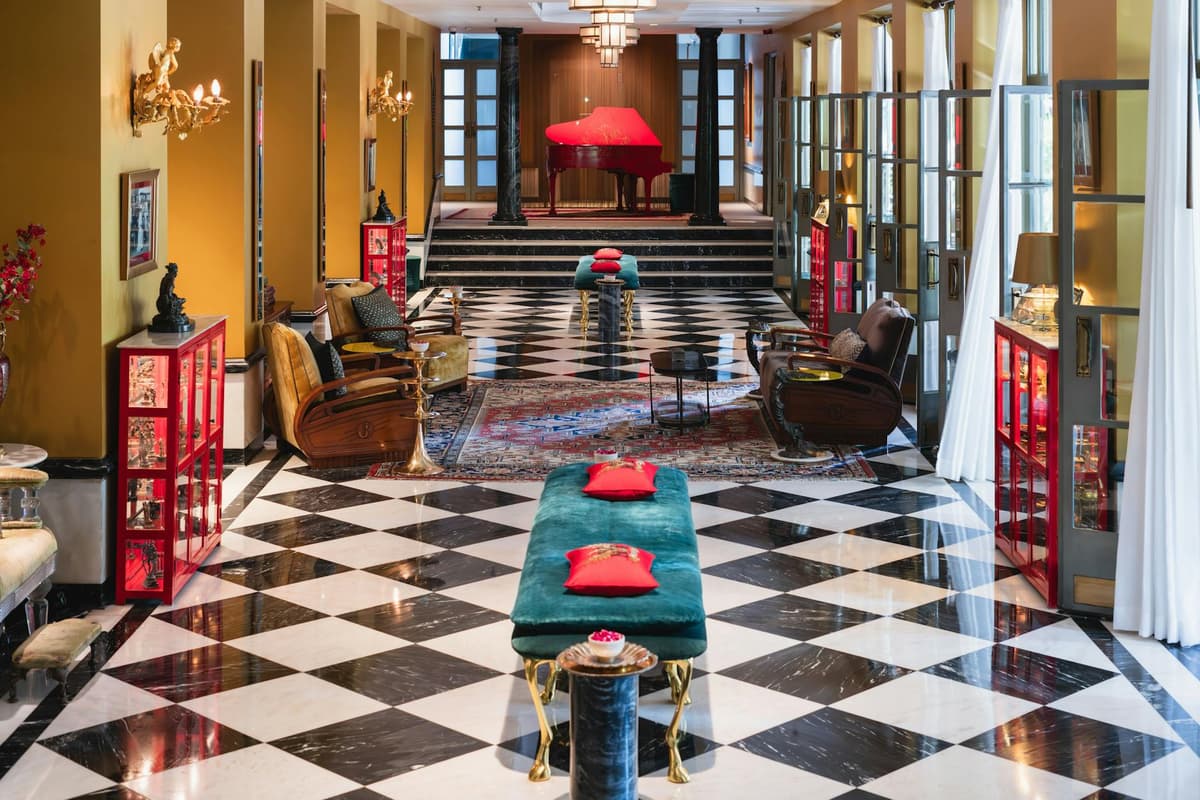
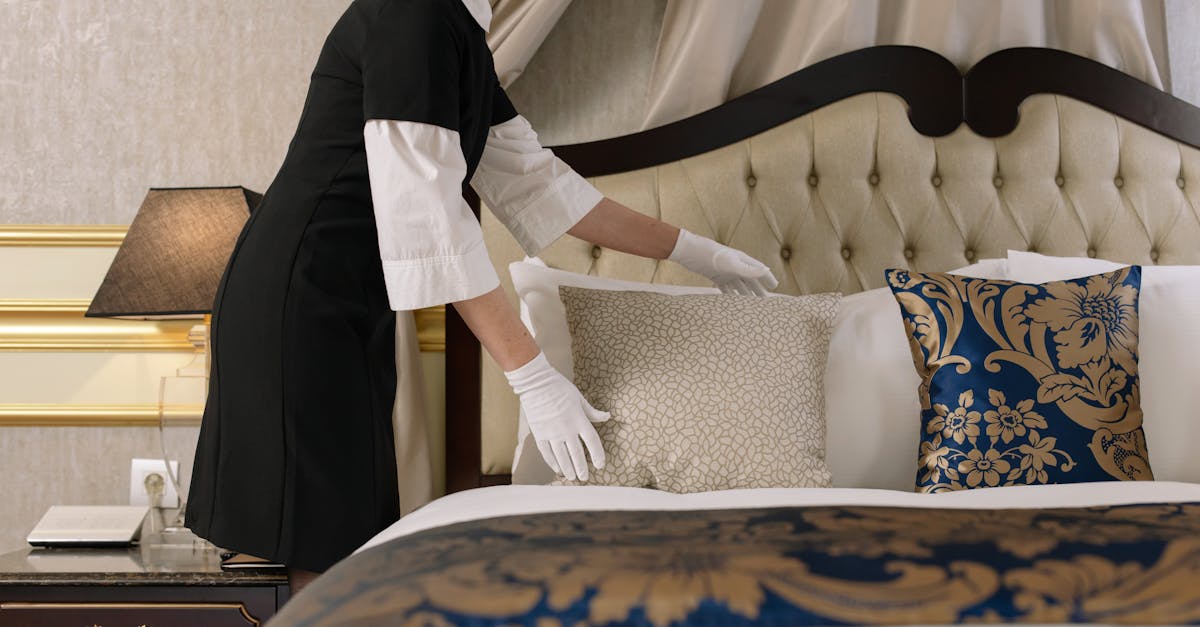
Designing for the 'Gram: How Hotels Balance Aesthetics With Authenticity
The hotel designed for Instagram is a familiar phenomenon. The flower wall. The neon sign. The infinity pool cropped so the horizon disappears. These features generate content, and content, in a world where distribution is free and attention is finite, generates bookings.
When Instagrammability Becomes a Liability
But something interesting is happening. The hotels that have leaned hardest into Instagrammability, designing spaces primarily as photography sets rather than guest environments, are beginning to face a backlash. Guests who book based on a photograph and arrive at a space that feels performative rather than genuinely considered are writing reviews that say so. And those reviews are doing more damage than the social content does good.
The hotels getting this right are thinking about it differently. They are not designing for photography; they are designing with genuine commitment to aesthetics, materials, and spatial experience, and discovering that genuinely beautiful spaces are also highly photogenic. The photograph is a by-product, not a brief.
Designing for Guests First, Photography Second
The distinction matters practically. A space designed for photographs tends to have focal points, a wall, a view, a piece of furniture, that are visually arresting from specific angles but mediocre in every other dimension. A space designed for guests tends to have quality distributed throughout: materials that reward touch, lighting that is flattering at every table, proportions that feel considered rather than calculated.
The most photographed hotel rooms in the world are not the ones with the most deliberate photography props. They are the ones where someone with genuine taste made thousands of small decisions very well, and the cumulative effect is beautiful from any angle.
The lesson for design briefs: stop asking "what will photograph well?" and start asking "what will guests want to share because it made them feel something?" The best answer to the second question also answers the first, and it produces hotels that guests actually want to stay in.
The Longevity Advantage: Rewarding Multiple Visits
There is also a timing dimension worth noting. The properties that attract the most sustained organic social content are not necessarily the ones that launch with the most dramatic aesthetic statements. They are the ones that reward multiple visits, spaces that reveal new details, seasonal programming that generates new content, service moments that are genuinely shareable. Longevity in social visibility requires depth, not just surface.
Design for the person in the room first. The person scrolling will follow.
Frequently Asked Questions
Why do hotels designed purely for Instagram underperform?
Hotels designed as photography sets tend to create a gap between the image and the actual guest experience. Guests who book based on a curated photograph and arrive at a performative space write reviews that say so, and those reviews undo the social content's value. Authentic aesthetics generate more durable organic reach than staged focal points.
What makes hotel spaces genuinely photogenic?
Genuinely photogenic spaces are the result of thousands of well-made design decisions, quality materials, considered lighting, proportions that feel right from every angle. The most photographed hotel rooms are not those with deliberate photography props; they are those where someone with genuine taste made every detail work together.
How does social media content drive direct bookings for hotels?
Instagram drives hotel bookings when it builds both aspiration and familiarity. Feed content creates desire; Stories and Reels build trust through real operations. The conversion layer, a working link in bio, fast DM response, and a smooth direct booking journey, is what turns an engaged follower into a confirmed reservation.

About the author
Sophie LaurentSophie Laurent writes on hospitality events, food and beverage trends, and the lifestyle dimensions of the modern hotel experience. She contributes across the Insights, Blog, and Events sections of Hospitality121.