How Hotel Architecture Is Being Redesigned Around the Guest Mindset
The hotel room has been the fundamental unit of hospitality for over a century. But its physical form, a bed, a desk, a wardrobe, a bathroom, was designed for a traveller who no longer exists. The 2026 guest does not unpack into a wardrobe; they live out of a suitcase. They do not use the desk; they work from the bed or the lobby. The architectures that served the travelling salesman of 1970 are increasingly at odds with how people actually inhabit space today, and the hotel operators paying attention to this shift are redesigning their properties from the inside out.
Rethinking the Hotel Room for the Modern Traveller
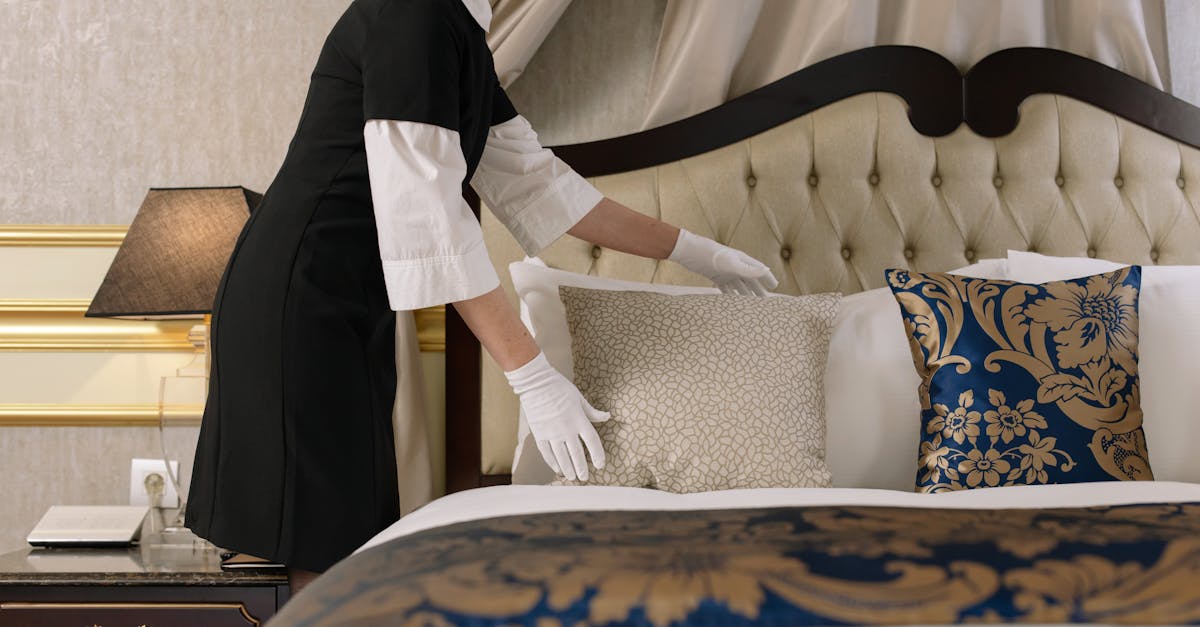
Forward-thinking hotel architects and operators are responding with a radical rethinking of what a room is for. The shift is away from standardised layouts toward environments that can be reconfigured: furniture that transforms between work and sleep modes, lighting systems that shift from energising morning spectrums to warm evening tones, bathroom configurations that prioritise shower experience over soaking tub because the data shows baths go unused at most properties. Hotel technology is playing a central role in this evolution, with property management systems now feeding guest preference data directly into room configuration protocols.
The Lobby Reinvented as a Social Space
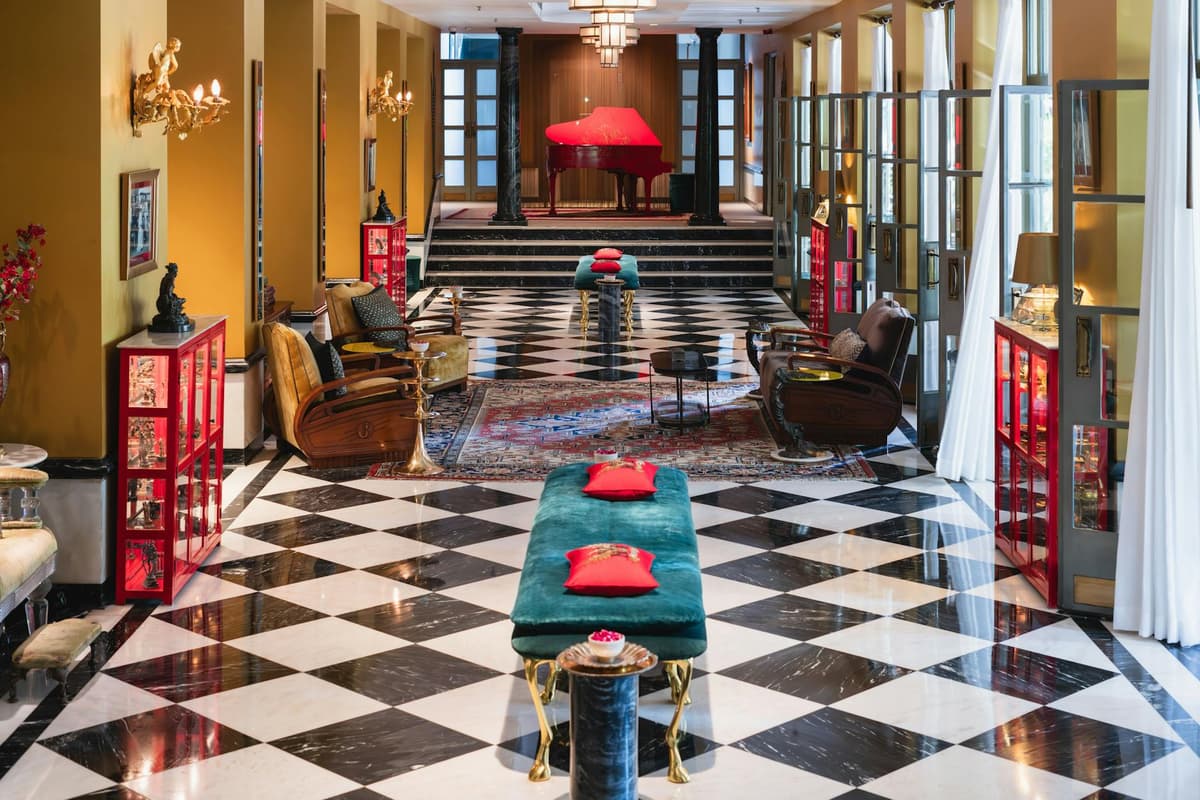
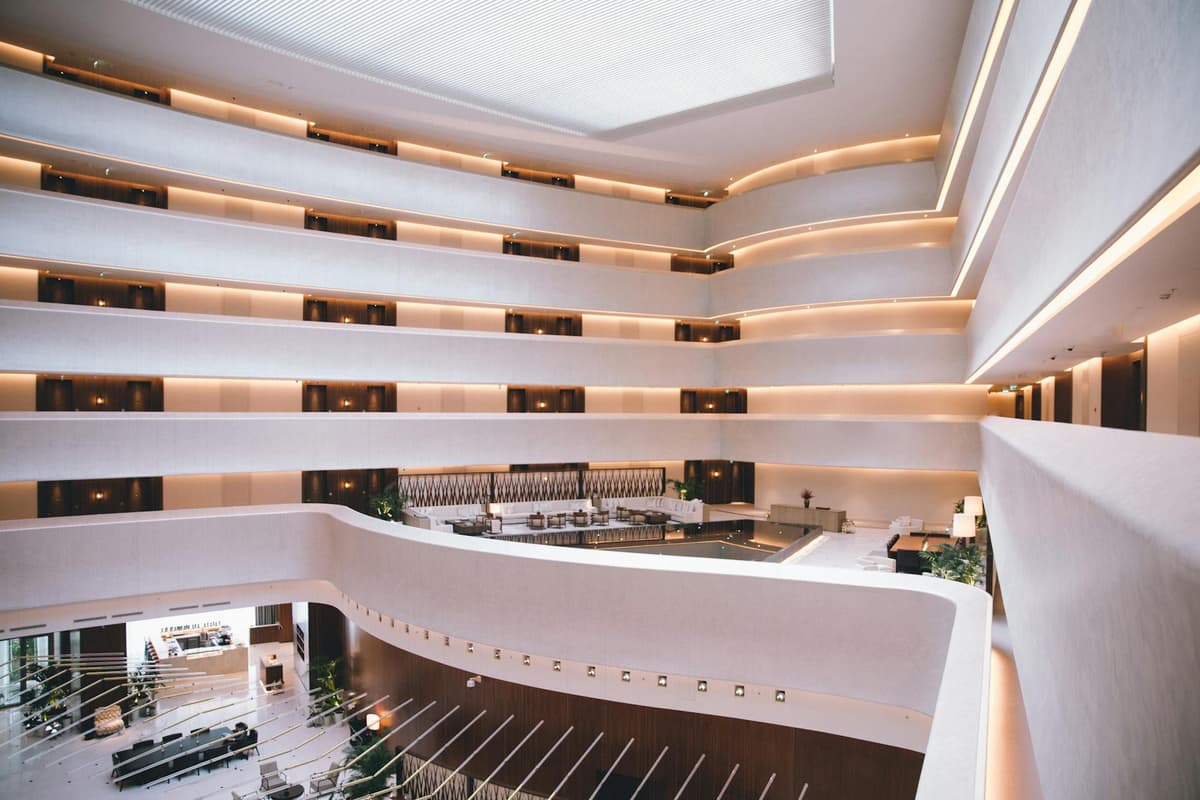
The lobby has undergone perhaps the most dramatic evolution. The traditional hotel lobby, a formal threshold with a front desk at one end and seating arrangements no one used, has been replaced in progressive properties by a genuinely social space: a combination of cafe, co-working environment, and local gathering point that generates its own energy and draws guests down from their rooms. Hoteliers who have made this shift report dramatic improvements in food and beverage capture rates and guest satisfaction scores. The contactless check-in technology now standard across upper-upscale properties has liberated the lobby from its transactional function and made possible a far more experiential use of the space.
Acoustic Design as a Competitive Differentiator
Acoustic design has emerged as a competitive differentiator in the luxury hotel experience. The noise bleed between rooms, the HVAC systems audible at 2am, the hard surfaces that amplify every footstep in a corridor, these are the frictions that guests remember and review negatively. Properties investing in acoustic architecture are discovering that silence is a luxury as valued as any physical amenity, and that the return on acoustic investment shows up clearly in online review sentiment analysis.
Biophilic Design and the Science of Guest Restoration
The biophilic design movement, integrating natural materials, plants, water, and light in ways that reconnect guests with the natural world, has moved from boutique experiment to mainstream aspiration in hospitality design. The science is unambiguous: exposure to natural elements reduces cortisol, improves mood, and increases sleep quality. Architecture that delivers these outcomes is architecture that delivers better guests, and hotel operators who have committed to biophilic principles report measurable improvements in guest experience scores and repeat visit rates.
The guest mindset that architects and designers must now serve is one that seeks restoration, not just accommodation. The hotel room as retreat, as the one place in a chaotic world where everything works exactly as it should, is the design brief for the next generation of hospitality. The properties that understand this are building environments where hospitality innovation is expressed through every surface, system, and sensory detail, and the guests they attract are increasingly loyal because of it.
Frequently Asked Questions
How is hotel room design changing for 2026 guests?
Hotel room design is shifting away from standardised layouts toward configurable environments, furniture that transforms between work and rest, lighting that adjusts circadian rhythm, bathroom configurations optimised for shower experience over underused soaking tubs. Data from PMS systems now directly informs room configuration for returning guests.
What is biophilic design in hotels?
Biophilic design integrates natural materials, plants, water features, and natural light into hotel architecture in ways that reconnect guests with the natural world. Research shows it reduces cortisol, improves sleep quality, and increases positive mood, measurable outcomes that translate directly into higher guest satisfaction scores and repeat visit rates.
Why does acoustic design matter in hotel architecture?
Noise bleed between rooms, audible HVAC systems, and hard surfaces that amplify corridor sounds are consistently among the most negatively reviewed elements of hotel stays. Investing in acoustic architecture, properly specified walls, soft furnishings, quiet mechanical systems, produces measurable improvements in online review sentiment and directly influences rebooking decisions.

About the author
Marcus WebbMarcus Webb writes on hotel revenue management, distribution strategy, and the commercial pressures shaping the modern hospitality landscape. He has reported from industry events across Europe, the Middle East, and Asia Pacific.