What Guests Actually Want in 2026 (And Why It's Changed)
Every year, research firms publish lists of what hotel guests say they want. Every year, the lists sound roughly the same: cleanliness, comfort, value, friendly staff, good Wi-Fi. These findings are not wrong. But they do not explain why some hotels are fully booked at rates their competitors cannot command, while others with equivalent scores on every attribute metric are struggling.
The gap between what guests say they want and what actually drives their choices, loyalty, recommendation, return visit, willingness to pay a premium, is where the most interesting guest experience thinking happens.
Threshold Criteria vs. Real Differentiators
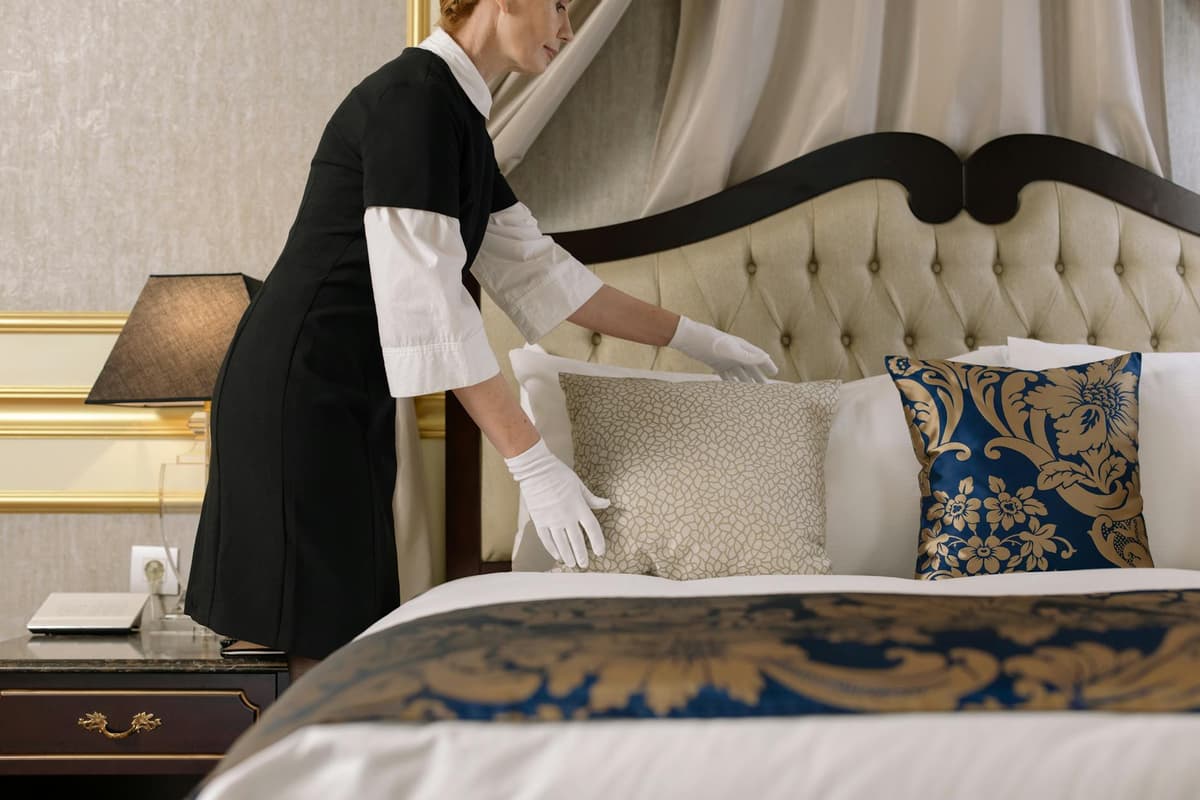
**What guests say: Cleanliness and comfort.** What this actually means: These are threshold criteria, not differentiators. A hotel that fails on cleanliness will be penalised severely. A hotel that excels will not be rewarded beyond meeting the expectation. The opportunity is not to be cleaner than competitors; it is to stop treating cleanliness as an aspiration and start treating it as a baseline.
The same logic applies to room comfort, bathroom quality, and mattress standards. Guests expect these to be right. When they are, nothing happens. When they are not, the review is written and the return visit is cancelled. The operational implication is clear: protect the baseline relentlessly, but do not expect it to drive preference.
What "Value" Actually Means to Guests
**What guests say: Value for money.** What this actually means: Guests are remarkably willing to pay high prices for things they believe are worth the price. The hotels that consistently earn "great value" ratings despite charging premium rates are those that have built a genuine sense that everything in the experience has been considered. Value is a perception of care and quality, not a mathematical ratio of price to amenity count.
The properties that consistently underperform on perceived value despite competitive pricing typically share one trait: visible corners cut. The breakfast that feels like it was designed to a cost per cover rather than a guest experience. The room amenity that is technically present but clearly cheap. Guests read these signals accurately and they erode the value perception across everything else.
Being Known vs. Being Friendly
**What guests say: Friendly staff.** What this actually means: Warmth is necessary but not sufficient. What guests remember, and what drives both reviews and return visits, is being known. The receptionist who remembers a name. The server who anticipates a preference. The concierge who recommends a restaurant the guest would never have found on TripAdvisor. Friendly is generic; knowing is rare, and rare is what drives loyalty.
**What guests say: Good Wi-Fi.** What this actually means: Connectivity is infrastructure, not hospitality. Hotels that talk about their Wi-Fi in the same breath as their service culture have misunderstood the hierarchy. Fix the infrastructure, then stop thinking about it.
The Differentiator Guests Cannot Articulate
**What guests do not say but show in their behaviour: Sense of place.** The single most powerful driver of premium pricing and return visits is not on any standard survey. It is the intangible quality of a hotel that feels genuinely connected to its location, its architecture, its materials, its staff, its food, its story. This cannot be fabricated. It requires commitment and time.
Properties that have invested in genuine local identity, sourcing from regional producers, working with local artists, building a team rooted in the community, consistently outperform comparable properties on both rate premium and guest loyalty. The reason is simple: a hotel that could only exist in this place is irreplaceable. A hotel that could be anywhere is interchangeable.
In 2026, the guests worth designing for are not looking for a room. They are looking for an experience they can carry home with them.
Frequently Asked Questions
What do hotel guests in 2026 prioritise over price when choosing a property?
Sense of place, personalised service, and emotional memorability consistently rank above price as drivers of property selection among high-value travellers. Guests are willing to pay a significant premium for a hotel that feels distinctive and genuinely attentive compared to a property that meets every functional standard but offers nothing they could not find elsewhere.
How can a hotel improve its perceived value without cutting prices?
The most effective levers are removing visible cost-cutting signals, improving the quality of interactions rather than the quantity of amenities, and ensuring the things that matter most, bed quality, breakfast, staff knowledge, are genuinely excellent rather than merely adequate. Perceived value rises when guests feel that the property cares about their experience, not when the amenity list gets longer.
Why do some hotels with high cleanliness and comfort scores still struggle with occupancy?
Because cleanliness and comfort are threshold criteria, guests expect them and are not rewarded for finding them. The properties that struggle despite strong operational scores typically lack a compelling reason to choose them over alternatives. The fix is not operational; it is strategic. What makes this property worth choosing? If the answer is not clear to the team, it will not be clear to guests.


About the author
Sumaya OneillSumaya Oneill covers AI, digital transformation, and guest experience innovation for Hospitality121. With a background spanning hotel operations and enterprise technology, she brings a practitioner's perspective to the intersection of hospitality and emerging technology.