The Future of Hotel Loyalty Is Emotional, Not Transactional
Loyalty programmes were built for a world where choice was more limited and information was less available. The logic was simple: accumulate stays, earn points, redeem for free nights. The guest who stays frequently is rewarded; the guest who stays infrequently is not. Repeat the cycle.
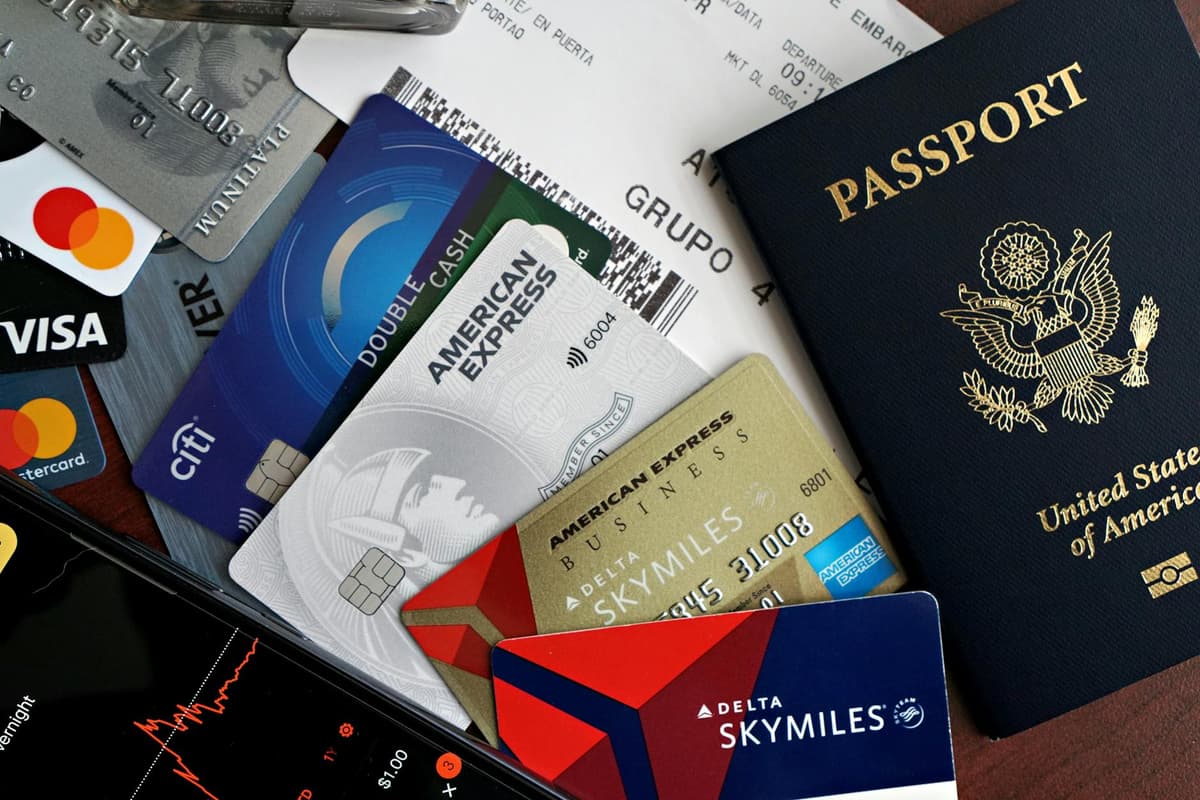
That logic still functions. Marriott Bonvoy has 212 million members. Hilton Honors has 180 million. These are extraordinary assets, databases of guest preferences, spending behaviours, and travel patterns that no other business in hospitality possesses. The programmes still drive meaningful booking behaviour.
Why Transactional Loyalty Is Showing Its Limits
But the emotional experience of most loyalty programmes has not kept pace with what guests now expect from relationships they value. The point balance, the tier status, the upgrade possibility, these are transactional incentives, not emotional commitments. And in a world where guests have more choices, better information, and less patience for complexity, transactional loyalty is increasingly fragile.
The guest who stays at a brand primarily for point accumulation is one competitive offer away from switching. Achieving elite status at a competing chain, or simply finding a better-located property that suits a particular trip, erodes the stickiness that programme designers assumed the tier structure would provide. Points-based loyalty creates obligation rather than affinity, and obligation is not the same thing as preference.
What "Being Known" Actually Looks Like
The hotels and groups building the most durable loyalty, the kind measured not by programme enrolment but by genuine preference and repeated choice, are investing in something different: the sense of being known.
Being known is not a technology problem. It is a culture problem. You can have the world's most sophisticated CRM system and still fail to make a returning guest feel recognised, if the system's outputs are not being used by humans who care about using them. The data says the guest prefers a high floor; the human has to remember to book it.
The emotional dimension of loyalty is built through small moments that most loyalty programme frameworks do not measure. The genuine welcome from a staff member who remembers a previous visit. The personalised recommendation that proves someone was paying attention. The proactive resolution of a problem before the guest knew they had one. These moments are not expensive to deliver, they require attention, not budget.
Building a Culture That Creates Genuine Preference
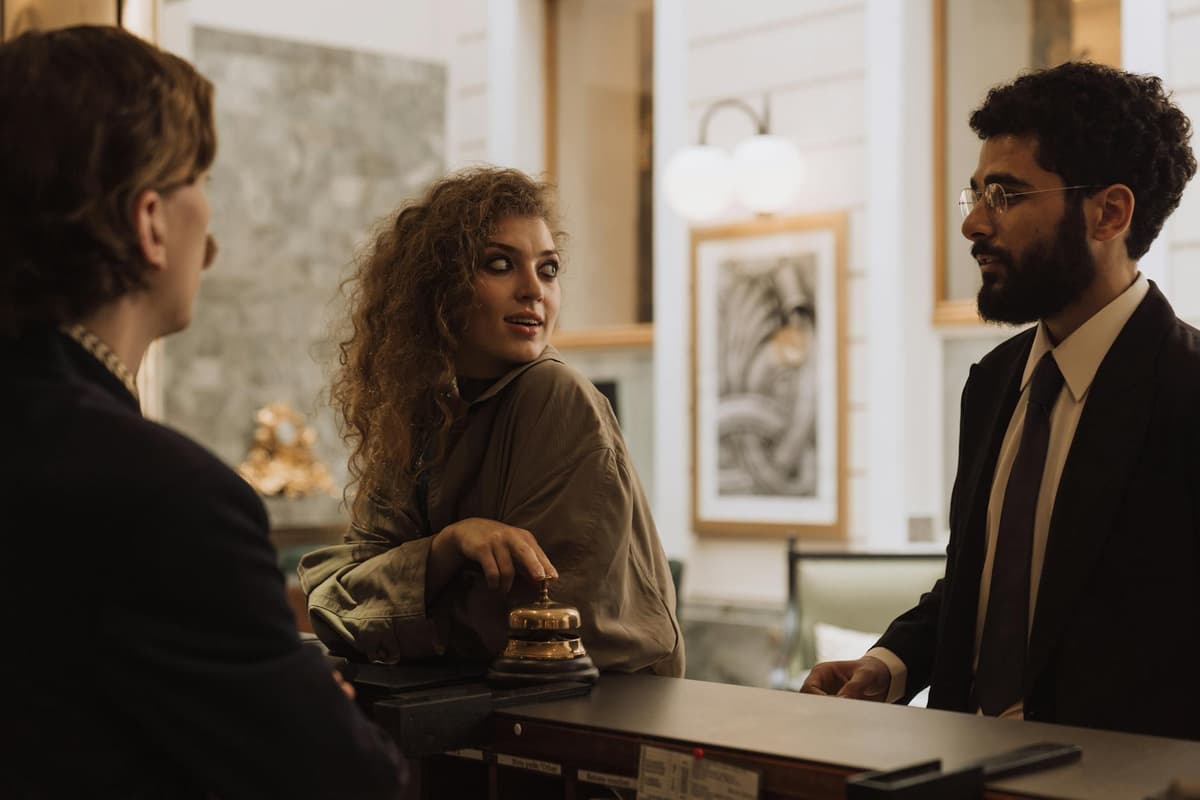
The operational challenge is translating guest data into staff behaviour at the point of contact. Properties that do this well have created simple workflows: a pre-arrival briefing that surfaces returning guest preferences, a check-in process that gives front desk staff two or three specific facts to work with, and a follow-up protocol that ensures unusual requests or complaints are addressed before the guest's next stay.
None of this requires a technology investment. It requires a deliberate decision to make the returning guest feel that their relationship with the property has been maintained, that the property remembers, even when months have passed since the last visit.
The Future of Loyalty Is a Culture Question
The future of hotel loyalty is not a better points scheme or a more generous tier structure. It is a hotel that makes its best guests feel, every time they return, that the relationship has been maintained, that they were missed, and that their return matters.
That is not something a programme can deliver. It is something a culture can. The programmes that will matter most in the next decade will not be the ones with the most members or the most complex reward structures, but the ones backed by properties where staff genuinely act on what they know about the guest standing in front of them.
Frequently Asked Questions
Can independent hotels compete with major chain loyalty programmes?
Yes, and in some ways more effectively. Independent properties cannot match the network scale or redemption breadth of a Bonvoy or Hilton Honors, but they can deliver the emotional dimension of loyalty far more personalised than any programme managing hundreds of millions of members. A guest who feels genuinely known at a thirty-room boutique hotel will often choose it over a chain property offering twice the points, particularly for leisure travel.
How should hotels measure emotional loyalty if it isn't captured by programme metrics?
The most useful proxies are repeat booking rate without promotional prompting, direct booking share among returning guests, and guest mention rates in online reviews that reference staff by name. A property where guests write "ask for Maria at check-in" in their reviews is building something more durable than tier status can sustain. Net Promoter Score tracked across returning guests is another practical measure.
What is the single most effective thing a hotel can do to build emotional loyalty today?
Invest in pre-arrival preparation for returning guests. Pull the notes from previous stays, brief the check-in team on one or two preferences, and ensure the room assignment reflects what the data says the guest values. This takes roughly ten minutes per returning guest and delivers a disproportionate impression of attentiveness. It is the difference between a guest who thinks the stay was fine and one who books again within six months.

About the author
Jeremy CurryJeremy Curry covers hospitality leadership, talent strategy, and organisational culture. His reporting focuses on how the industry is navigating workforce transformation and the new expectations of both employees and guests.