Yuki Tanaka on Why Japanese Hospitality Sets the Global Standard
Yuki Tanaka is a hospitality educator and cultural consultant whose work bridges Japanese omotenashi, the deep philosophy of selfless, anticipatory service, and the global luxury hotel industry. In this episode, she explains why the West has learned the vocabulary of Japanese hospitality without yet grasping its grammar. Her insights are directly relevant to any operator trying to build a genuine luxury guest experience rather than simply replicating the surface aesthetics of premium hospitality.
Omotenashi, Yuki explains, is not a service standard or a training protocol. It is a disposition, a way of approaching the guest relationship that is rooted in the belief that service is not a transaction but a form of care. The guest's needs are anticipated not through data analysis but through genuine attentiveness and the kind of empathy that can only emerge when service is treated as a calling rather than a job. This distinction has profound implications for how hotels recruit, train, and retain the staff who deliver guest experience at the frontline.
We discuss what the global luxury industry has taken from Japanese hospitality , and what it has misunderstood. The aesthetic elements have traveled well: the clean lines, the precise presentation, the quality of materials. The philosophical core has been harder to transfer, because it cannot be delivered through a training manual. It requires a different relationship between employer and employee, and a cultural context that values service itself rather than just the outcome it produces.
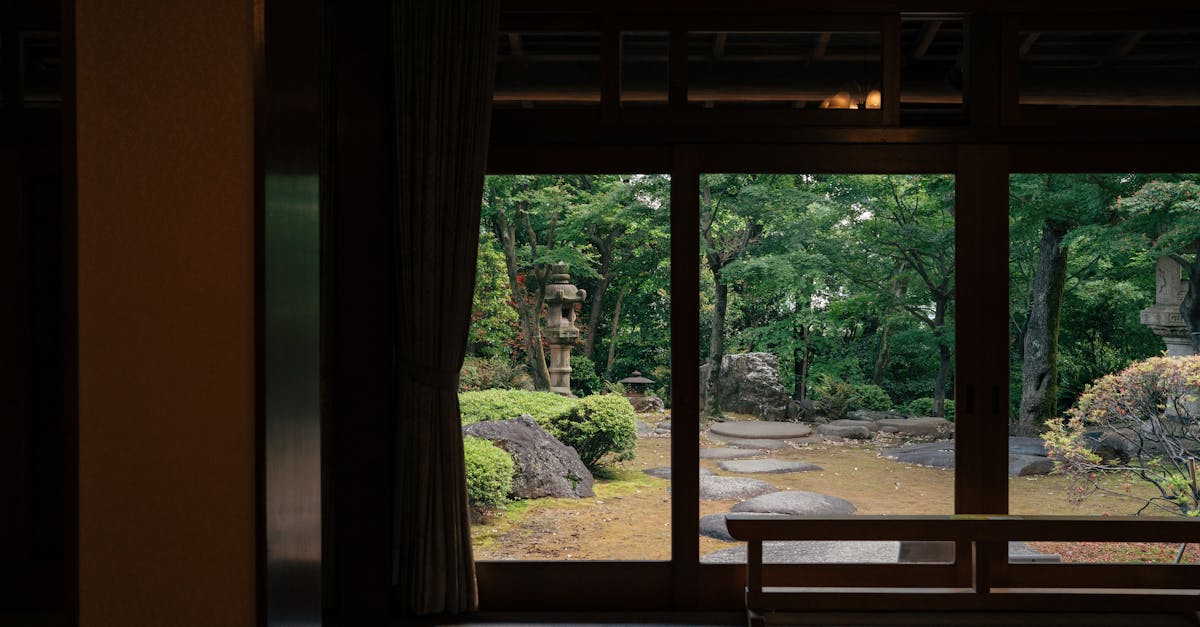
Yuki talks about the ryokan , Japan's traditional inn , as the purest expression of integrated hospitality philosophy. The ryokan does not separate accommodation from food from experience from service. It offers a total world, carefully designed to help the guest arrive at a state of genuine rest. She argues that this holistic model is exactly what the luxury segment is groping toward , and that the most innovative Western properties are essentially rediscovering what Japan has known for centuries.
Yuki draws a pointed contrast between the aesthetic borrowing that characterises most Western hotel interpretations of Japanese hospitality and the philosophical depth that the ryokan model actually represents. The ryokan integrates accommodation, food, and experience into a total world. It is exactly what the global luxury segment is groping toward and rediscovering under different names. Properties in Europe and North America investing in immersive guest experience design, in programming that creates a coherent world rather than a collection of amenities, are converging on principles that Japanese hospitality has articulated for centuries.
She addresses the question of technology in this context with characteristic precision. The hospitality innovation conversation often treats technology as inherently at odds with the warmth of omotenashi. Yuki disagrees. Technology deployed to handle the administrative and logistical layers of a stay, property management systems, contactless check-in, digital concierge platforms, frees the human beings in a property to do the thing that only human beings can do. The goal is not to remove technology but to ensure that wherever a guest and a staff member meet, there is genuine space for connection rather than transaction.
The conversation turns to the pressures that Japanese hospitality culture itself is facing: a shrinking workforce, generational changes in attitudes toward service careers, and the risk that the deep wellspring of omotenashi will run dry if it is not actively cultivated. The question of how Japan sustains its hospitality culture while exporting its principles globally is one Yuki returns to repeatedly, and her answer involves a more honest conversation about what the culture requires from those who practice it, in terms of personal investment, professional identity, and the kind of employer commitment that makes such dedication sustainable.
We close on the question Yuki finds most interesting: not what the world can learn from Japan, but what Japan might learn from the world's experimentation with its own traditions. Her perspective is generous and genuinely curious. The hospitality leaders she admires most, regardless of where they operate, are those who have built service cultures grounded in authentic care rather than scripted protocols, and who understand that the most powerful guest experience technology is not a platform but a philosophy.

Hospitality121 Podcast
Yuki Tanaka on Why Japanese Hospitality Sets the Global Standard
Yuki Tanaka · 52 min
Listen on
Episode notes
We explore what the global luxury industry has taken from Japanese hospitality and what it has misunderstood, the pressures facing omotenashi culture itself, and what Japan might learn from the world's experimentation with its own traditions.
Key Takeaways
- Omotenashi is not a service standard or training protocol — it is a disposition rooted in genuine care, which cannot be delivered through a manual.
- The West has taken the aesthetic of Japanese hospitality but largely missed its philosophical core, which requires a different relationship between employer and employee.
- The ryokan model — integrating accommodation, food, and experience into a total world — is exactly what the luxury segment is groping toward and rediscovering.
About Yuki Tanaka
Hospitality Educator & Omotenashi Cultural Consultant
Yuki Tanaka is a hospitality educator and cultural consultant whose work bridges Japanese omotenashi philosophy and the global luxury hotel industry, advising properties on authentic cultural integration.
LinkedIn Profile →