Smart Rooms in 2026: What Works, What Doesn't, and What Guests Actually Want
The smart hotel room has been the hospitality technology industry's most persistently overpromised product. For the better part of a decade, vendors have demonstrated vision suites with voice-controlled everything, automated curtains that respond to circadian rhythms, and room environments that learn and adapt to individual guest preferences across stays. What has actually been deployed at scale tells a different story.
The Gap Between Concept and Deployment
A 2026 survey of 800 hotel properties conducted by Hospitality121 found that 71 percent of respondents have deployed some form of "smart room" technology in at least a portion of their inventory. Of these, the features most commonly live in-property are: in-room tablets for service requests (68 percent), mobile key access (61 percent), and smart thermostats with occupancy sensing (44 percent). The more sophisticated capabilities, voice assistants, automated environment adjustment, and cross-stay preference learning, appear in fewer than 15 percent of properties surveyed.
The gap between concept and deployment is not primarily a technology problem. The hardware exists. The software platforms have matured. The constraint is integration, specifically, the challenge of connecting smart room systems to the property management system, the guest profile data, and the maintenance infrastructure in a way that works reliably at scale without requiring a dedicated IT resource to maintain it.
What Guests Actually Use
Guest engagement data from properties that have deployed in-room technology at scale reveals a consistent pattern: guests use smart room features when they solve a clear and immediate problem, and ignore them when they require learning or effort.
Mobile key adoption is high, typically 55 to 70 percent of eligible guests, because it solves a concrete problem (carrying a card, queuing at check-in) with no learning required. In-room tablets for service requests are used by roughly 40 percent of guests, with the highest engagement for ordering F&B and requesting housekeeping services. Voice assistants, even where deployed, see consistent engagement from fewer than 20 percent of guests, and a significant portion of interactions are the initial novelty test rather than a recurring use pattern.
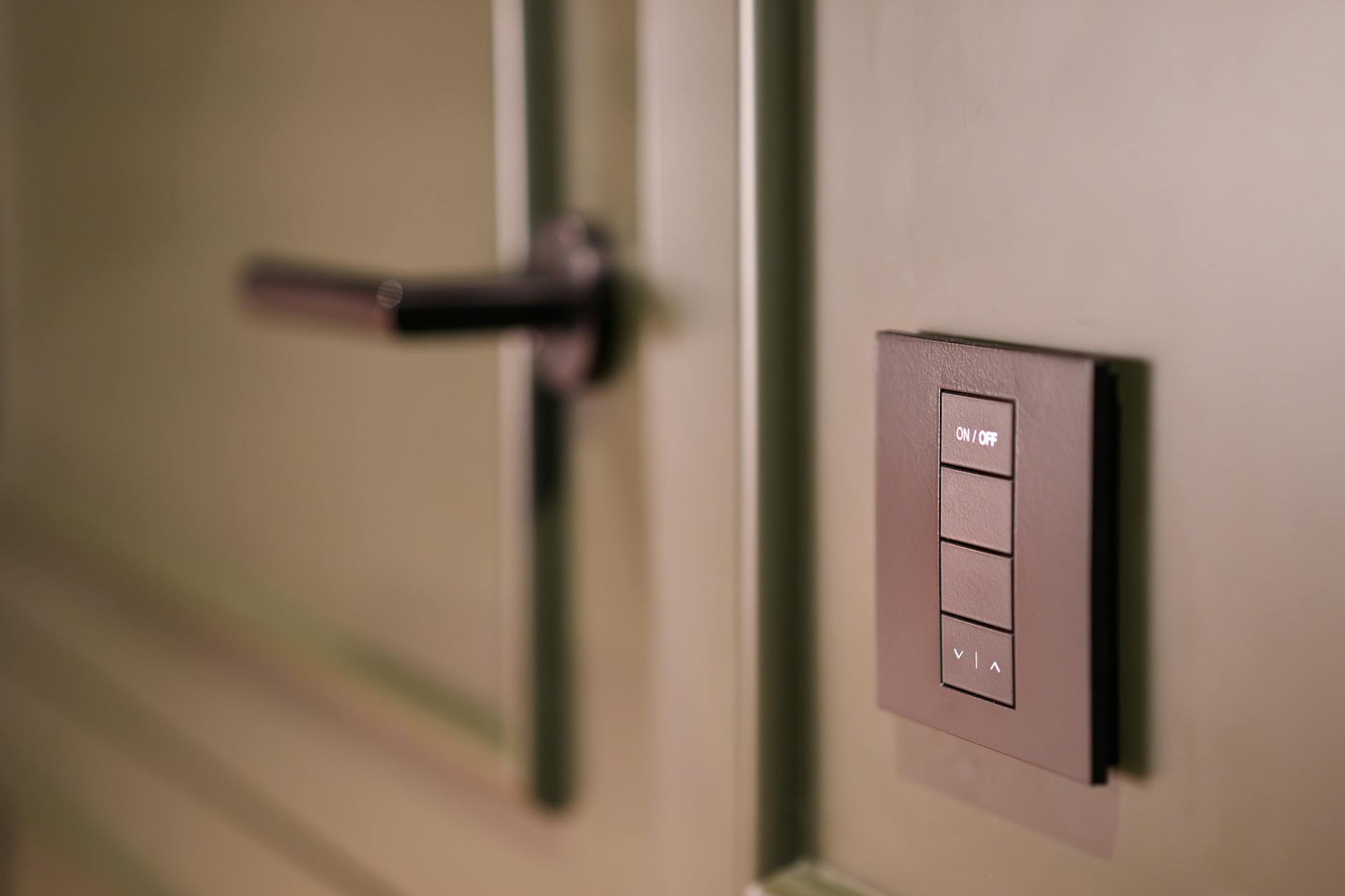
The technology features with the highest sustained satisfaction impact are those that remove friction rather than add capability. Guests value not having to call the front desk. They value the room being at their preferred temperature when they arrive. They value being able to control the environment from bed without finding the wall switches in the dark. These are problems solved, not experiences created, and the distinction matters for both specification and marketing.
The Voice Assistant Reality
Voice AI in hotel rooms deserves particular scrutiny because the gap between vendor claims and guest reality is especially wide. The case for voice assistants rests on a premise, that guests want to speak naturally to their room environment, that has not been validated by actual usage data at scale.
Guests who use voice assistants in their homes (typically Amazon Echo or Google Home users) do engage more readily with in-room voice technology. But this segment remains a minority of the luxury travel demographic, and the use cases that drive smart speaker engagement at home (music, reminders, general queries) do not map cleanly to the hotel context.
The properties reporting the strongest voice assistant engagement are those that have clearly defined the use cases and trained both staff and guests on them. A voice assistant that does five things very well, adjusts temperature, controls lighting presets, requests specific services, answers property FAQs, and plays music, outperforms a system that attempts to handle natural language across an unlimited range of requests.
The Maintenance and Reliability Problem
The practical failure mode of smart room technology is reliability. A room where the tablet is frozen, the mobile key reader is intermittent, and the voice assistant misunderstands simple requests is worse than a room with no technology, it creates friction, raises guest expectations it cannot meet, and generates maintenance calls that pull engineering resource from physical plant issues.
Properties with high guest satisfaction scores for smart room technology universally cite reliability as the primary investment priority. The capital expenditure on replacing aging hardware, updating firmware, and ensuring network infrastructure supports the device load is unglamorous but essential. Operators who have installed smart room technology without a clear maintenance and refresh budget have often found that the technology degrades to a point where it actively harms guest experience within two to three years.
What to Specify Now
For properties currently specifying new builds or renovations, the evidence points toward a focused rather than comprehensive smart room approach. Mobile key, occupancy-sensing climate control, and a service request tablet with a well-maintained interface deliver strong guest satisfaction returns at manageable infrastructure cost. Voice AI is worth considering for properties with a technology-forward brand identity and the operational commitment to maintain it properly. Ambient intelligence, rooms that genuinely learn and adapt across stays, remains aspirational for the vast majority of operators and should be evaluated as such.
The smart room of 2026 that works is not the one from the vision suites. It is more modest, more reliable, and considerably more useful.
Frequently Asked Questions
What smart room technology do hotel guests actually use most?
Guest engagement data shows mobile key access (55 to 70% adoption) and in-room tablets for service requests (~40% adoption) deliver the highest sustained use. Both solve a concrete friction point with no learning required. Voice assistants and ambient intelligence features see far lower engagement, typically under 20% of guests, and are used less consistently.
Why do smart hotel room systems often fail?
The most common failure mode is reliability, not technology. Frozen tablets, intermittent readers, and network infrastructure that cannot support the device load degrade the experience below baseline. Properties with high satisfaction scores for smart room technology universally prioritise hardware refresh cycles, firmware updates, and network capacity as primary maintenance investments.
Which smart room features are worth specifying in 2026?
The evidence-based specification for most properties is: mobile key access, occupancy-sensing climate control, and a well-maintained service request tablet. These deliver strong satisfaction returns at manageable cost. Voice AI is worth considering only for properties with a technology-forward brand identity and the operational commitment to maintain it properly.

About the author
James OduyaJames Oduya writes on hospitality technology, property management systems, and the startups building the next generation of hotel infrastructure. He covers the EMEA market with a focus on independent and boutique operators.