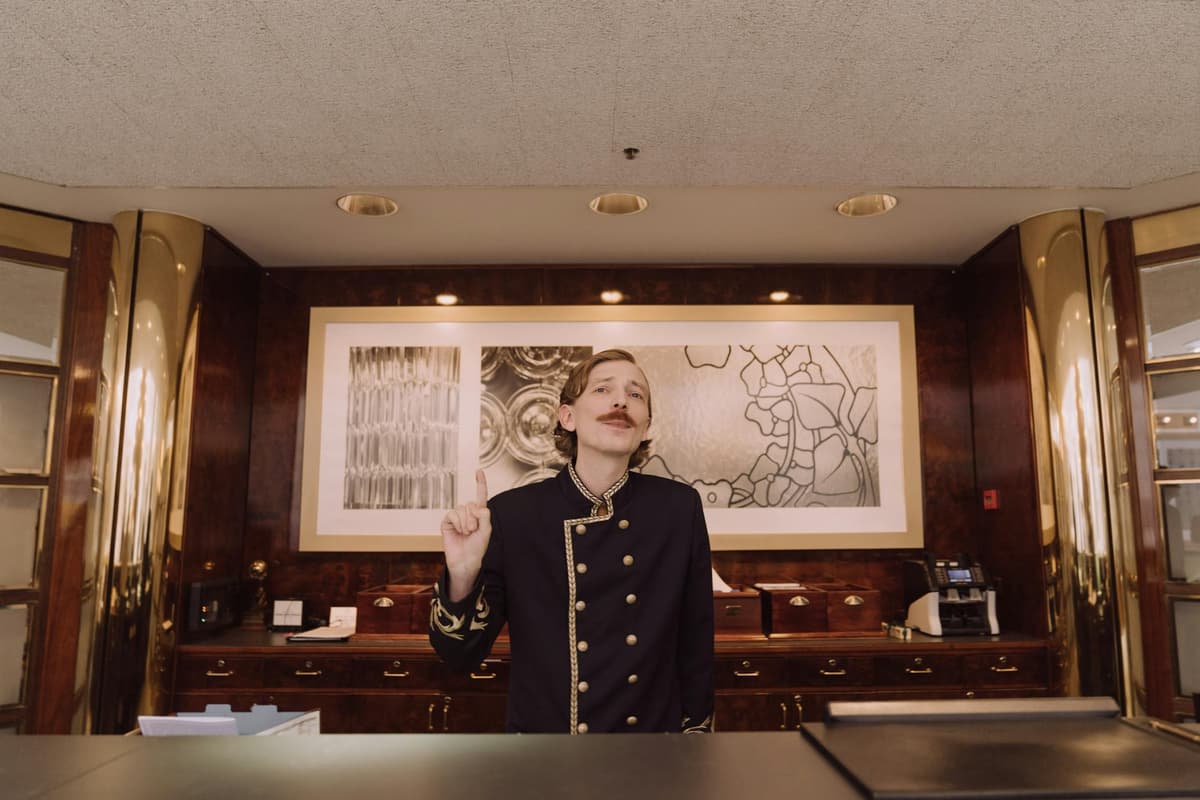
Sophie Laurent on the F&B Trends Reshaping Hotel Dining in 2026
Sophie Laurent has covered hotel food and beverage for Hospitality121 across Europe, Asia, and the Americas, and she has developed a distinctive view of where the industry is heading, and where it is stuck. In this conversation, she identifies the trends that are genuinely reshaping hotel dining and the orthodoxies that are long overdue for challenge.
Decoupling Restaurant Identity from Hotel Brand
The single most significant shift she has observed is the decoupling of hotel restaurant identity from hotel brand identity. For most of the branded hotel era, the food and beverage operation was understood as an extension of the hotel brand, consistent, predictable, and positioned to match the property's star rating rather than to compete in the independent restaurant market. That model is under structural pressure from a guest base that increasingly treats food and beverage as a primary reason to visit a hotel, not a fallback for those who cannot get a reservation elsewhere.
The properties responding to this shift most effectively are those that have created genuine operational and conceptual separation between the restaurant and the hotel. The most commercially successful hotel restaurants in 2026 are running their own reservation systems, their own social media, and in some cases their own brand, deliberately building an identity that exists independently of the property they sit in. This is not a small operational change. It requires different staffing models, different marketing budgets, and a general manager willing to let the F&B operation develop a profile that competes with the local restaurant scene rather than simply serving hotel guests.
The Bar as a Commercial and Creative Engine
Laurent is emphatic about the role of the bar in the modern hotel experience. The cocktail programme has become one of the most visible expressions of a hotel's creative ambition, and the properties investing in genuine bartending talent and original menu development are generating awareness and footfall from a local audience that was previously indifferent to the hotel's food and beverage offering. This matters commercially beyond the bar revenue itself, a well-regarded cocktail bar drives restaurant covers, increases dwell time, and creates the kind of social media content that functions as paid marketing.
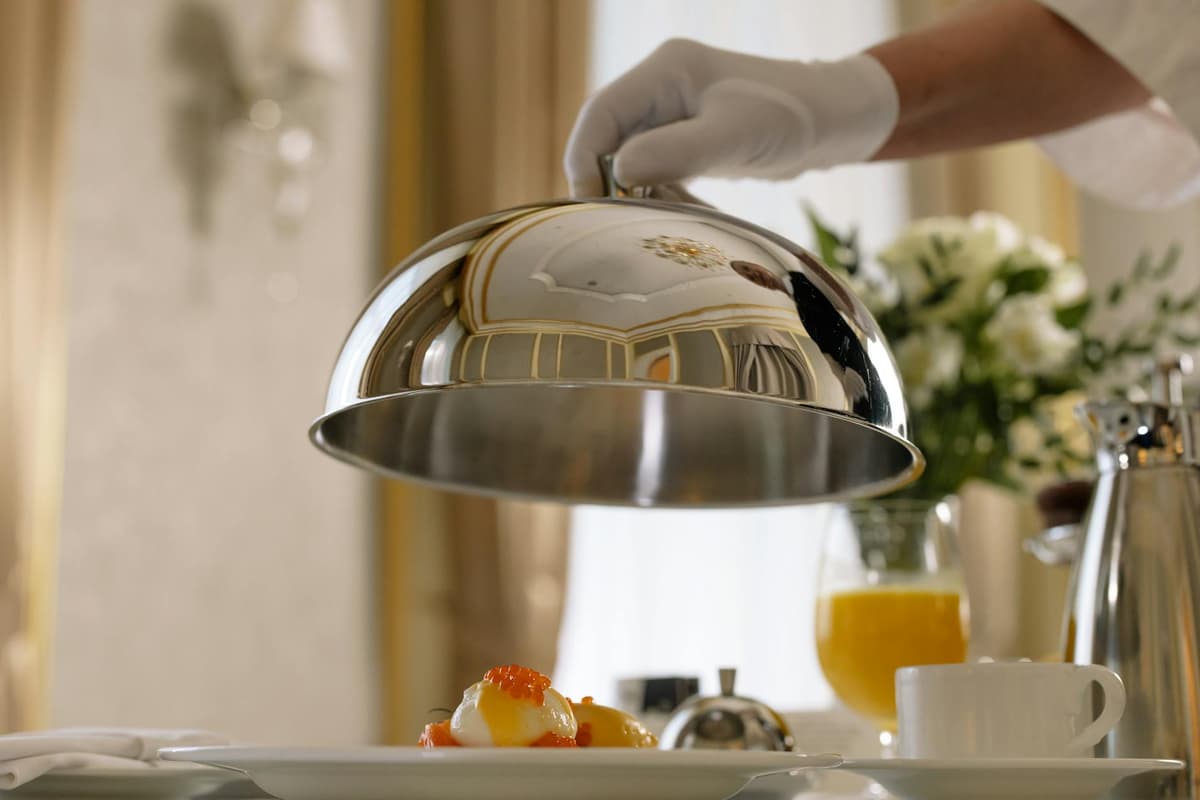
She raises the breakfast question with particular energy. Breakfast is the meal that hotel guests are most likely to eat on property, yet it is frequently the meal that receives the least creative investment. The hotels that treat breakfast as a genuine menu opportunity, with local sourcing, seasonal variation, and the kind of cooking that guests photograph and share, are building loyalty and generating direct booking rates that properties offering a standard buffet simply do not match. The economics are better than operators typically assume, and the competitive differentiation is immediate.
The F&B Trends Laurent Is Watching Closely
**What F&B trend are you most excited about right now?**
The fermentation revival. It sounds niche but it is showing up everywhere, in hotel restaurants that are making their own vinegars, preserving seasonal vegetables, and building menus around the philosophy of using everything and wasting nothing. It connects sustainability, craft, and genuine flavour in a way that guests understand and respond to. The properties doing this well are standing out in a way that no amount of interior design investment achieves.
Rethinking F&B as a Revenue Opportunity
**What is the biggest mistake hotels make with their F&B?**
Pricing it as a cost centre rather than a revenue opportunity. When the accounting treats food and beverage as an unavoidable expense rather than a profit contributor, every decision about investment in the kitchen, the team, and the menu gets made with the wrong frame. The properties that have restructured their F&B P&L to be genuinely accountable, and empowered their food and beverage director to make commercial decisions, almost always see both revenue and margin improve.
**What does a great hotel bar look like in 2026?**
It has a point of view. Not just an impressive back bar and a drinks menu with a hundred options, that is table stakes. A great hotel bar in 2026 has a creative direction, a team that can articulate why they make the choices they make, and a list that you could not find in the bar next door. The best ones are treating cocktails the way the best restaurants treat food: as an expression of a culinary philosophy, not just a service offering.
Frequently Asked Questions
How are the most successful hotel restaurants building an identity independent of their hotel brand?
Leading hotel restaurants in 2026 are operating with their own reservation systems, dedicated social media presence, and in some cases a distinct brand name that does not reference the parent property. This operational separation requires investment in separate marketing budgets and staffing models, but it allows the restaurant to compete directly in the local dining market and attract guests who would not otherwise consider the hotel for food and beverage.
Why is breakfast such an important opportunity for hotel F&B, and how are top properties approaching it?
Breakfast is the meal hotel guests are most likely to eat on property, yet it receives less creative investment than lunch or dinner in most hotels. Properties that treat breakfast as a serious menu opportunity, with local sourcing, seasonal variation, and original cooking, are generating stronger guest loyalty and higher direct booking rates. The financial return on creative breakfast investment is better than most operators expect, and the differentiation against a standard buffet offering is immediately visible to guests.
How should hotels restructure their F&B accounting to drive better commercial outcomes?
Hotels that reclassify food and beverage from a cost centre to a genuine profit contributor, with a standalone P&L, clear revenue targets, and a food and beverage director empowered to make investment decisions, consistently see both revenue and margin improve. The accounting classification shapes every downstream decision about kitchen investment, team quality, and menu development, so changing the financial frame is often a precondition for meaningful commercial improvement in F&B performance.

About the author
Sophie LaurentSophie Laurent writes on hospitality events, food and beverage trends, and the lifestyle dimensions of the modern hotel experience. She contributes across the Insights, Blog, and Events sections of Hospitality121.