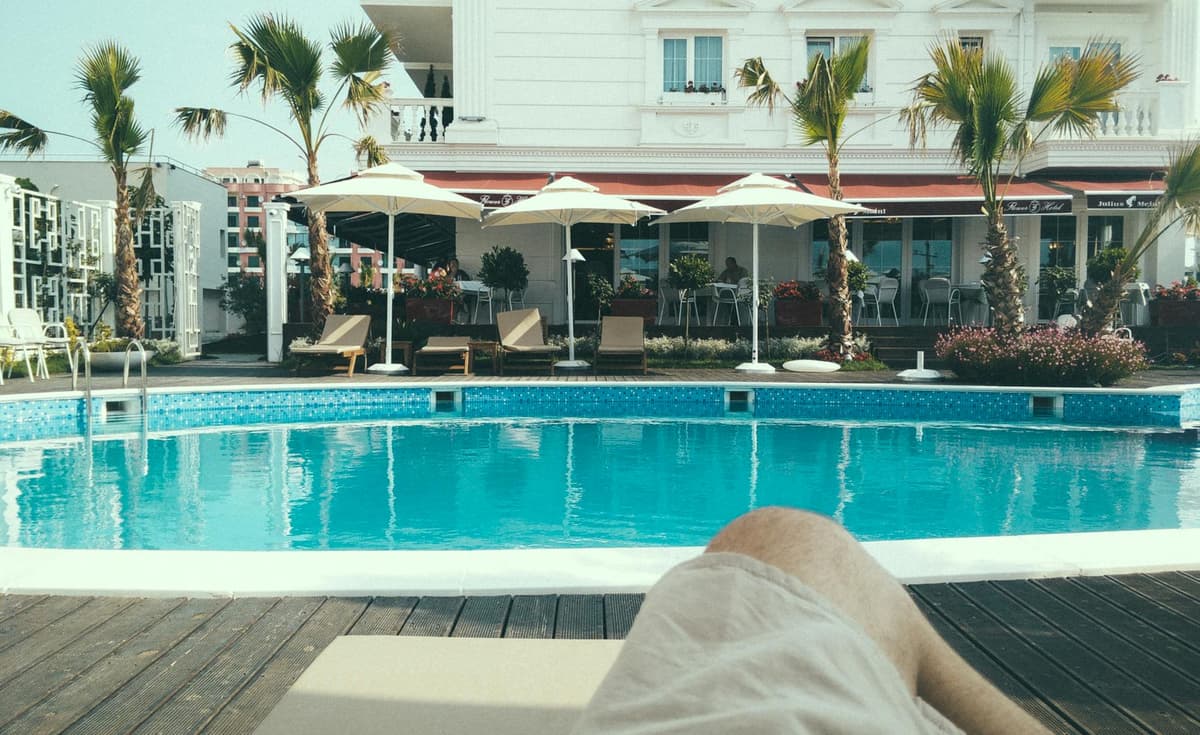
Bad Photography Is Costing Your Hotel More Than You Think
The booking decision is made in seconds. Eye-tracking studies of OTA and hotel website behaviour consistently find that a guest who is uncertain about a property will form a decisive first impression from the hero image alone, and that impression takes less than two hundred milliseconds to calcify.
This is the context in which hotel photography should be understood: not as a marketing expense, but as a conversion tool with a directly measurable return on investment.
The Evidence for Photography Investment
The evidence for this is accumulating. Properties that have invested in professional photography, and specifically in photography that reflects the actual experience of staying, rather than empty rooms shot on wide-angle lenses under artificial light, consistently report meaningful uplifts in direct booking conversion rates when the imagery is A/B tested against older content.
The improvement is not marginal. Properties that refresh their primary booking images often report conversion rate changes that, at typical booking volumes, pay back the photography investment within weeks. The cost of a professional photographer is not comparable to the cost of a poor conversion rate compounded over twelve months of bookings.
Common Failure Modes to Diagnose
The most common failure modes in hotel photography are not difficult to identify. The artificially lit room shot, typically taken with a wide-angle lens positioned to make a standard double appear capacious, fools no one who has stayed in a hotel before. It creates a gap between expectation and reality that plays out in guest satisfaction scores. The stock-photography lifestyle image, a model in a bathrobe who has never been within a kilometre of the property, communicates exactly nothing about the specific experience being sold.
Seasonal images are another under-noticed problem. Photography that was accurate when the property last renovated may now misrepresent a space that has been updated, redecorated, or simply worn. Guests who book on the basis of images from five years ago and arrive to find a different reality are not just disappointed, they write reviews that reflect the expectation gap.
What Specificity Looks Like
What works, consistently, is specificity. The detail shot that captures the quality of the linen. The breakfast table in natural morning light with a real cup of coffee. The view from room 312 at the specific angle at which it is actually experienced. These images communicate something that a room schematic and a list of amenities cannot: what it actually feels like to be there.
The principle extends to outdoor and common spaces. An image of the terrace at the time of day it is most used, evening, with the specific quality of that light, conveys more than a noon shot of an empty space. Images should be taken from the perspective a guest would actually occupy, not from the position that makes the space look largest.
Mobile Photography as a Practical Option
Mobile photography, when executed with skill, has become a legitimate tool for the mid-market property that cannot afford a full commercial shoot for every seasonal update. The cameras in current flagship smartphones, shot in natural light with a considered eye, can produce imagery that out-converts professionally shot content that is five years old.
The investment in this case is attention rather than budget: identifying a team member with a strong visual eye, establishing simple guidelines around natural light and honest framing, and building a review process that ensures new images meet the standard before they appear on booking pages. This approach also enables more frequent refreshes, keeping the visual representation of the property current with its actual state.
The strategic principle is simple: photography should answer the question the guest is actually asking, which is not "what does this room contain?" but "will I want to be here?" Every image should be evaluated against that standard before it appears on a booking page.
Frequently Asked Questions
How often should a hotel update its booking photography?
After any significant room refresh or renovation, immediately. For properties without major changes, a full review every two years is a reasonable baseline, with targeted updates, hero images, seasonal shots, more frequently. The practical test is to look at your current images through the eyes of a guest who has never visited and ask whether what they see accurately represents what they will experience. If the answer is no, the cost of updating is almost certainly less than the conversion loss you are currently absorbing.
Is professional photography always necessary, or can in-house content work?
Both can work; the determinant is quality rather than origin. Well-executed mobile photography in natural light can outperform outdated professional content. The key variables are lighting (natural is almost always better than artificial for interior spaces), framing (from the perspective the guest will actually occupy), and honesty (the image should match the actual room, not an ideally arranged version of it). If in-house photography is used, build a review step into the process before images go live.
What is the most important single image on a hotel's booking page?
The hero image, the first photograph a visitor sees, carries disproportionate weight. Eye-tracking data consistently shows it is the primary determinant of whether a guest scrolls further or leaves. It should show the property's strongest visual asset in the most honest and compelling light available, at the time of day when that asset looks best. Testing two or three variants of the hero image against each other is one of the highest-return optimisation exercises available to most hotel marketing teams.

About the author
Sophie LaurentSophie Laurent writes on hospitality events, food and beverage trends, and the lifestyle dimensions of the modern hotel experience. She contributes across the Insights, Blog, and Events sections of Hospitality121.