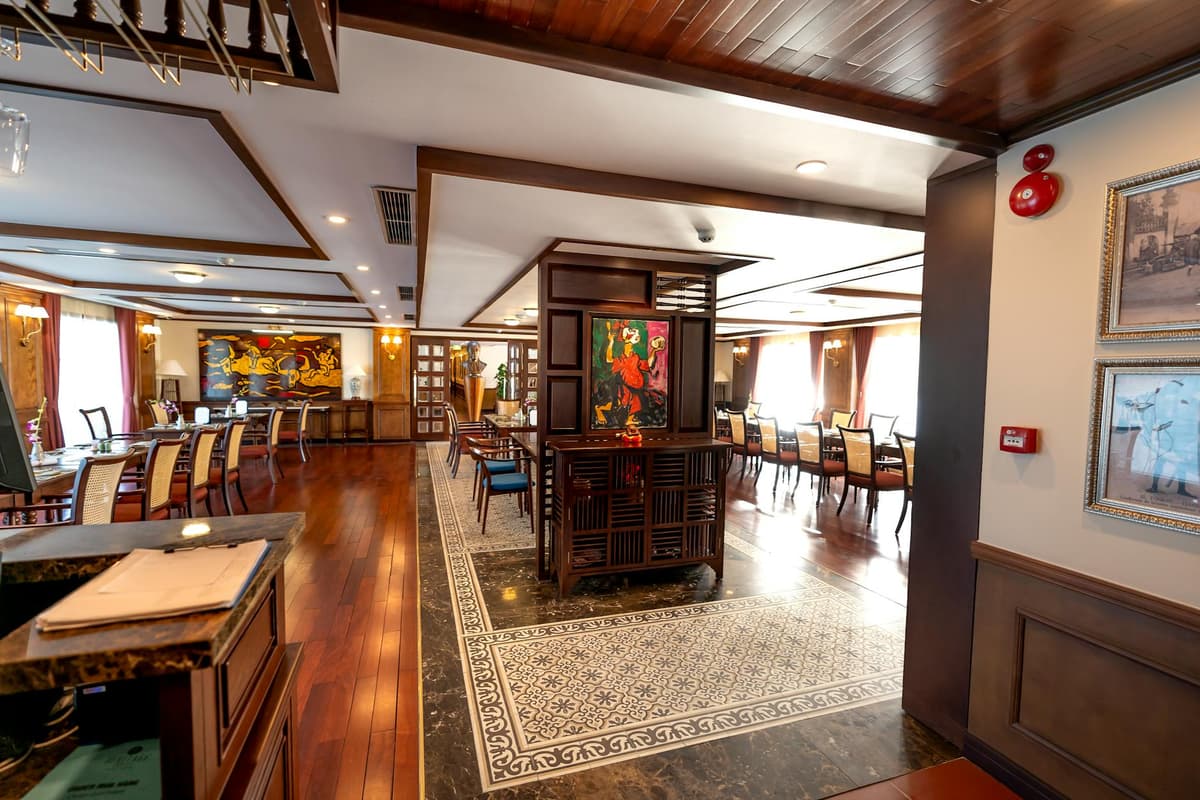
Breakfast Is Back: How Hotels Are Turning the Morning Meal Into a Revenue Driver
For most of the past decade, hotel breakfast was treated as a guest expectation to be managed rather than a revenue opportunity to be developed. Include it in the rate, keep the cost of goods under control, open the buffet at seven and close it at ten-thirty, and move on. The post-pandemic reassessment of F&B economics changed this calculus. Properties that reconceived their breakfast offer in 2022 and 2023 are now reporting morning F&B revenue that represents 15 to 20 percent of total property revenue, nearly double the historical average.
The Problem With the Included Breakfast Model
The traditional rationale for inclusive breakfast was simple: it gave the revenue manager a lever for rate comparison that obscured the true cost of the room. A rate of 220 euros including breakfast looks more competitive than 190 euros room-only, even if the actual cost of breakfast is 18 euros per person and the incremental revenue per booking is negative.
What the inclusive model also did was remove the incentive to invest in breakfast quality. If every guest is eating regardless of what you serve, the optimal strategy is minimum viable acceptable, a adequate continental spread that generates no complaints and costs as little as possible. The result, across thousands of properties, was a race to the bottom in morning F&B that reinforced the perception of hotel breakfast as overpriced mediocrity.
The Shift to Experience-Led Morning F&B
The properties reversing this trend have made a structural decision: breakfast is a dining experience that generates revenue, not a cost centre that provides a booking incentive. This means pricing it separately, investing in the quality and presentation of the offer, staffing it as a full restaurant service rather than a buffet-supervision task, and marketing it to non-residents as well as hotel guests.
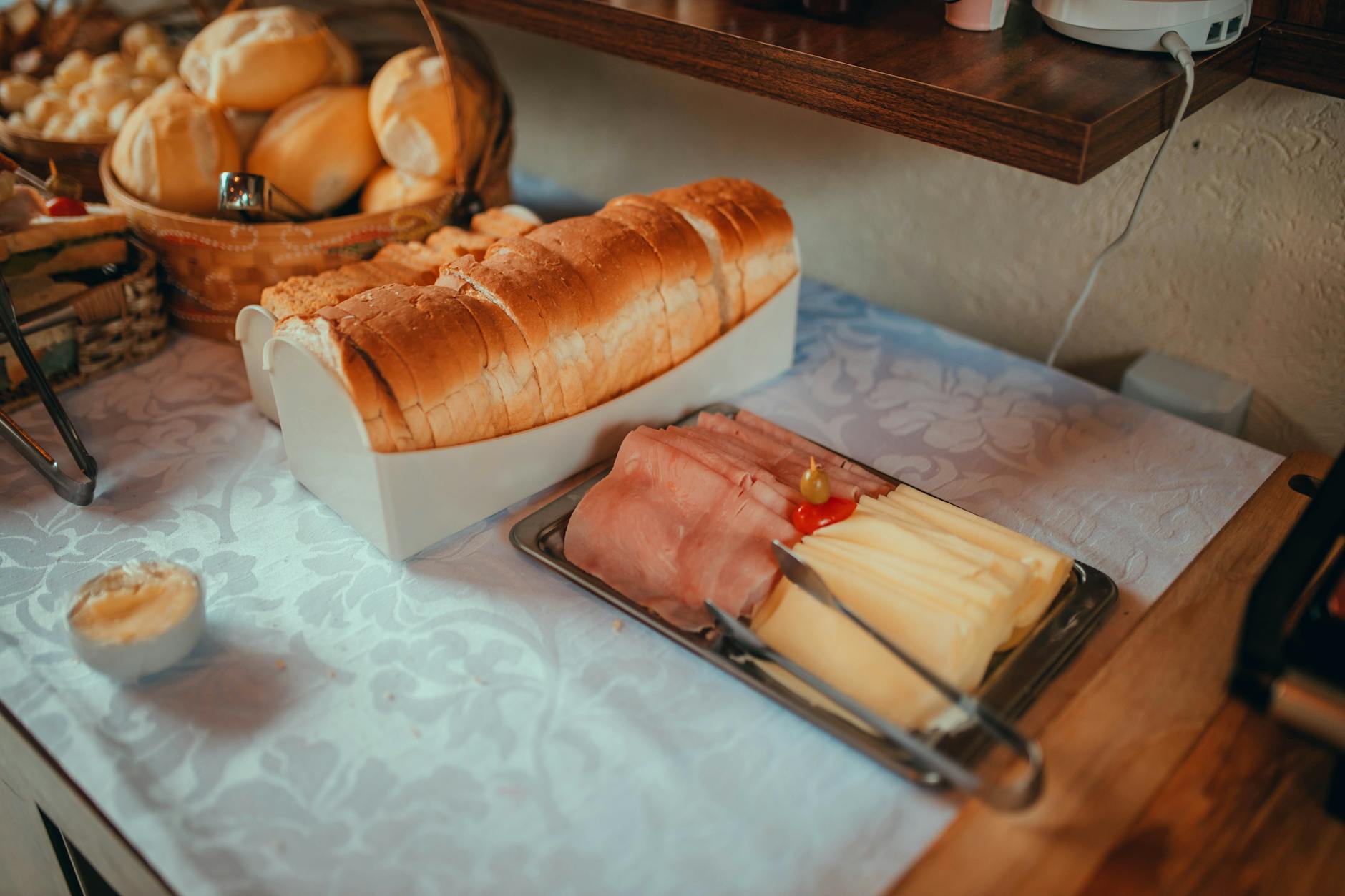
The most commercially successful iterations involve a clear concept, a defined culinary identity that differentiates the breakfast offer from generic hotel morning food. A focus on local produce and regional recipes. A bread programme with visible artisan production. An egg station that operates as a theatre as much as a cooking method. These are not expensive to execute relative to the revenue they unlock, but they require a genuine decision to treat breakfast as a product rather than an amenity.
Pricing and Channel Strategy
Hotels that have separated breakfast from the room rate typically offer it at a price point 20 to 30 percent above cost of goods, which positions it slightly above what guests perceive as expensive but within the range of what they will pay without friction. The key pricing insight is that guests compare hotel breakfast to the alternative of leaving the property to find a café, not to the cost of making breakfast at home.
Direct booking incentives have created a useful mechanism: breakfast is included for loyalty members and direct bookers, priced separately for OTA arrivals. This reinforces the direct booking value proposition while maintaining margin on channel-mixed arrivals.
Non-resident dining, attracting local professionals and weekend visitors for breakfast outside the hotel guest base, is the highest-margin expansion opportunity and the most underexploited. Properties in urban locations with a strong street-level presence and a differentiated concept are reporting that non-resident breakfast covers represent up to 30 percent of morning revenue with lower associated costs than accommodated guest covers.
What the Data Shows
Hospitality121's survey of 140 full-service properties across Europe and North America found that properties with a distinct breakfast concept and separate pricing reported an average breakfast RevPAR of 28 euros against 11 euros for properties operating traditional inclusive breakfast programmes. The gap is not entirely attributable to the concept, properties willing to invest in breakfast quality are also typically better managed overall, but the directional signal is clear.
The morning meal is one of the most controllable and most improvable revenue lines in a hotel P&L. It requires concept clarity, kitchen investment, and a willingness to let go of the inclusive breakfast default. For operators who have made that decision, the returns have been significant.
Frequently Asked Questions
How much can separating breakfast from the room rate increase a hotel's morning revenue?
Properties that have decoupled breakfast from the room rate and invested in a distinct concept are reporting breakfast RevPAR of around 28 euros on average, compared to roughly 11 euros for those still running traditional inclusive programmes , more than double the return. The uplift comes from both higher per-cover pricing and the ability to attract non-resident diners, who can account for up to 30 percent of morning revenue at well-positioned urban hotels.
What makes a hotel breakfast concept commercially successful?
The most effective concepts are built around a clear culinary identity , local produce, regional recipes, visible artisan production, or a staffed egg station that adds theatre , rather than a generic buffet spread. This differentiation gives guests a reason to pay for breakfast as a dining experience rather than viewing it as a commodity, and it creates a story that travels through word of mouth and online reviews to attract non-resident covers.
How does breakfast pricing affect direct booking strategy?
Many hotels now use breakfast as a direct booking lever: it is included for loyalty members and guests who book through the hotel's own channels, while OTA arrivals pay for it separately. This reinforces the value of the direct relationship and helps recoup some of the margin lost to commission, without requiring a headline rate increase that might affect search ranking on third-party platforms.

About the author
Sophie LaurentSophie Laurent writes on hospitality events, food and beverage trends, and the lifestyle dimensions of the modern hotel experience. She contributes across the Insights, Blog, and Events sections of Hospitality121.