How Gen Z Is Redefining What Luxury Travel Means
The oldest members of Generation Z are now 29 years old, and those with access to disposable income are beginning to reshape what the luxury travel market looks, feels, and spends like.
Their preferences diverge from millennial luxury travellers in ways that are forcing hotel operators to rethink product design, marketing, and the very definition of a premium experience. Research by travel analytics firm TravelIQ, covering 8,000 Gen Z travellers with household incomes above $75,000, reveals patterns that are simultaneously challenging and commercially compelling.
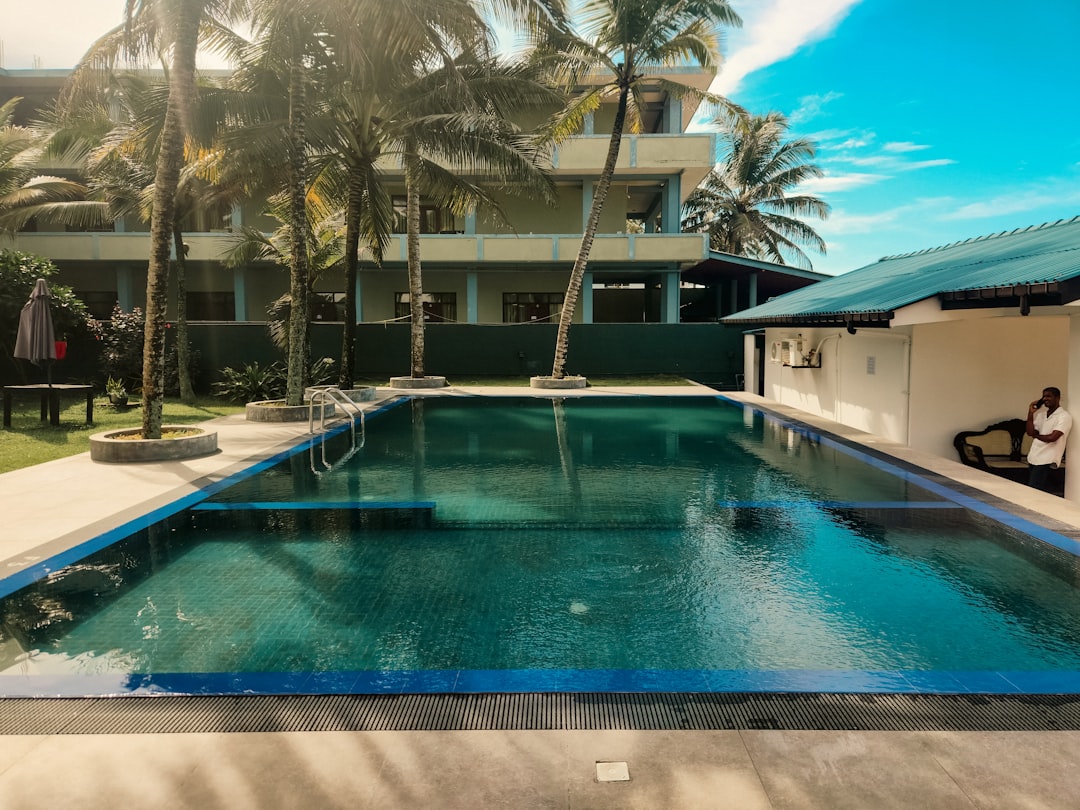
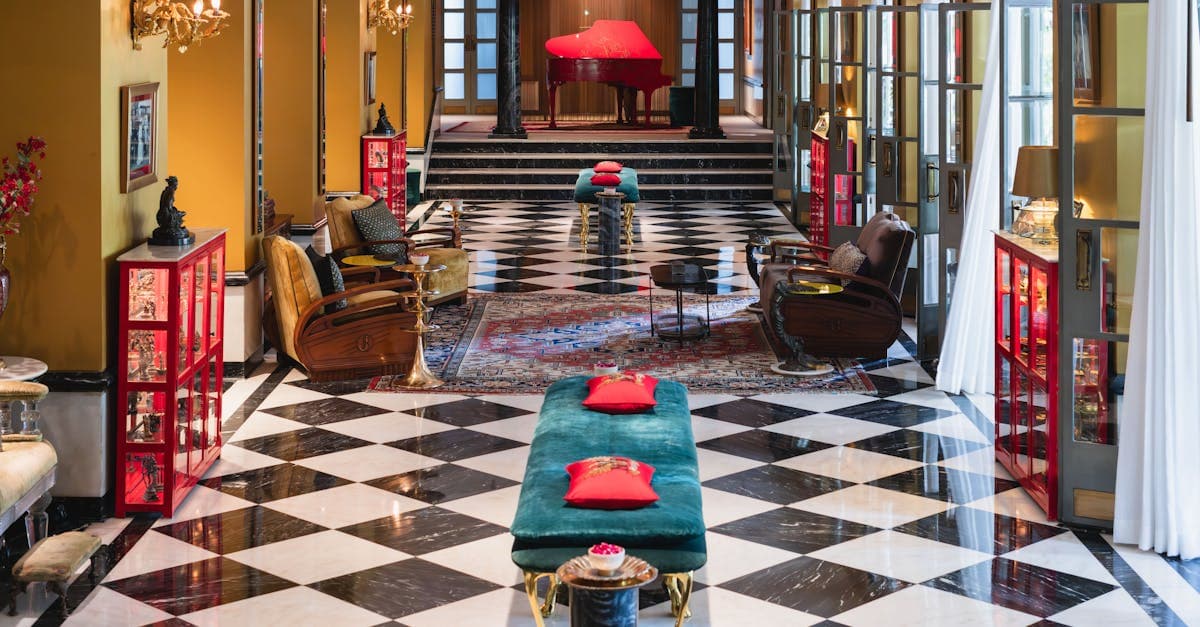
Authenticity over opulence is the dominant value. Gen Z luxury travellers consistently rank "sense of place," "connection to local community," and "genuine cultural immersion" as more important than traditional luxury markers, marble lobbies, butler service, and brand prestige. Properties scoring highest with this cohort are typically independent, architecturally distinctive, and deeply embedded in their local context.
Sustainability is non-negotiable rather than aspirational. Unlike older cohorts, for whom sustainability is a consideration that can be overridden by price or convenience, Gen Z travellers report that unsustainable practices are an active deterrent to booking. They research properties' sustainability credentials before booking, and they write reviews that reference sustainability performance in detail.
Digital experience quality has become a luxury expectation. Frictionless mobile check-in, responsive chat support, and high-quality in-room technology are prerequisites rather than differentiators. Properties that fail on digital experience lose Gen Z guests regardless of physical quality.
The spending behaviour is distinctive. Gen Z luxury travellers spend significantly more on experiences, classes, tours, treatments, and curated activities, relative to room rate than any previous generation. They will book a modestly priced room and spend substantially on programming within the property.
Hotels adapting their product for this cohort are finding that the changes required, more authentic storytelling, deeper sustainability commitment, richer programming, often improve the experience for all guests, not just the youngest.

About the author
Sophie LaurentSophie Laurent writes on hospitality events, food and beverage trends, and the lifestyle dimensions of the modern hotel experience. She contributes across the Insights, Blog, and Events sections of Hospitality121.