European Tourism Sees 5% Growth
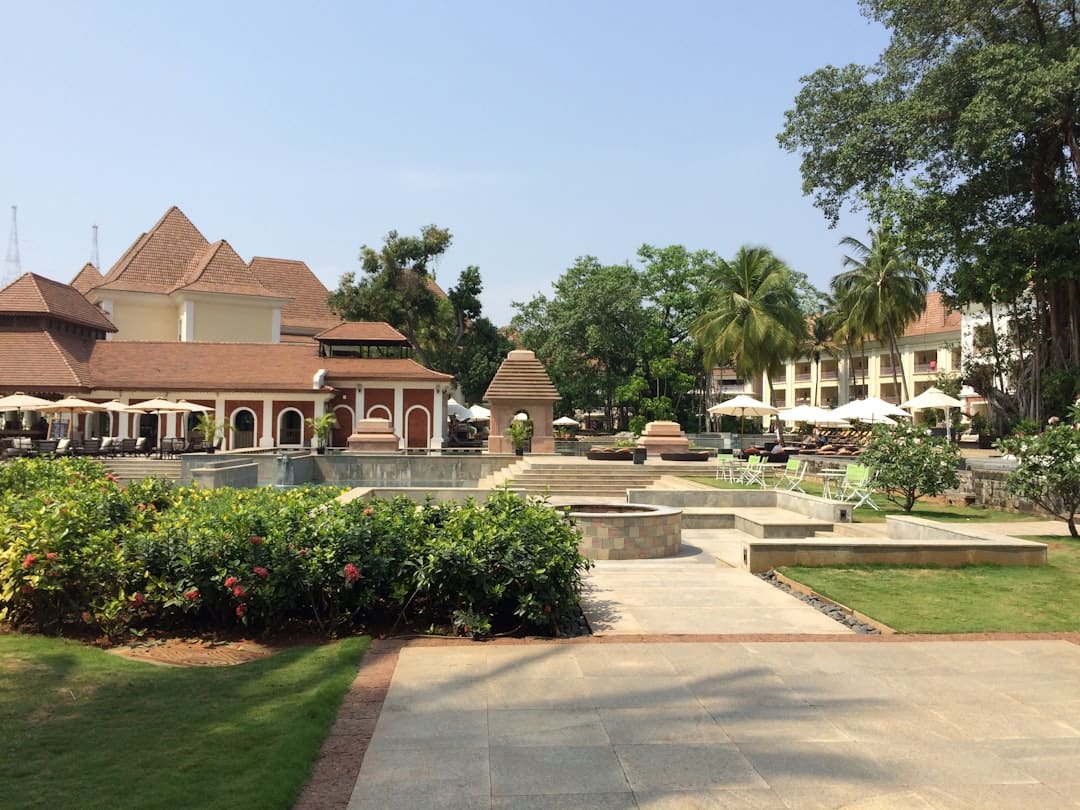
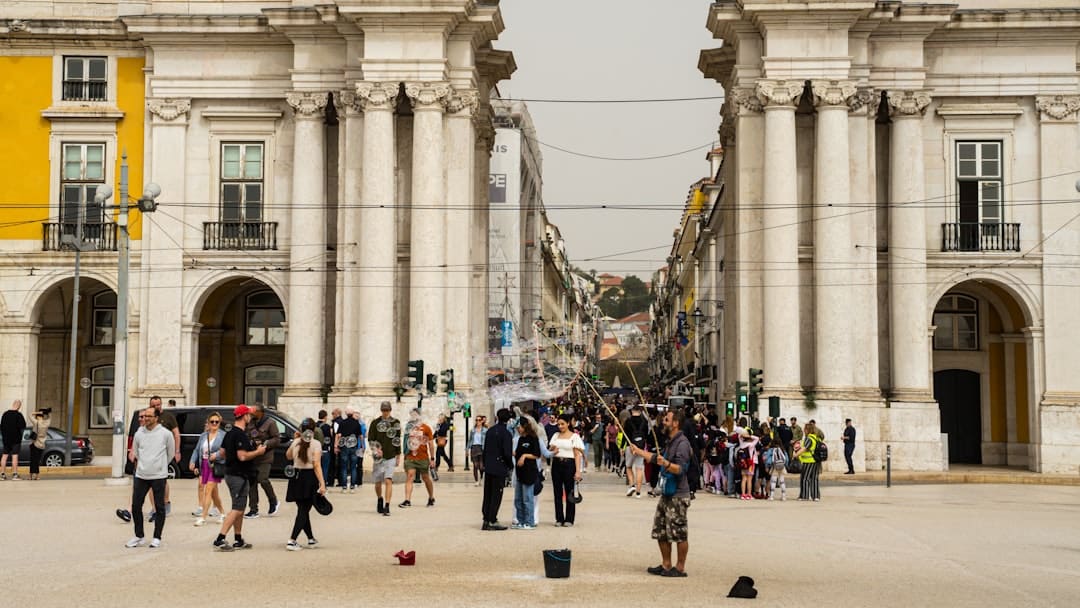
The European tourism industry has shown resilience in the face of rising uncertainty, with a 5% increase in arrivals year-to-date. Greece, Italy, and Malta are leading the growth, with these countries experiencing a significant surge in tourist numbers. However, the ongoing conflict in the Middle East has had a dampening effect on aviation, particularly impacting Cyprus and Türkiye. The growth in European tourism can be attributed to the region's rich cultural heritage, beautiful landscapes, and vibrant cities. Many tourists are drawn to the historic landmarks, beaches, and cuisine that Europe has to offer. Despite the challenges posed by global events, the tourism industry remains a significant contributor to the European economy. The increase in tourist numbers has important implications for the hospitality industry, with hotels, restaurants, and other tourism-related businesses experiencing an upswing in demand. This growth is likely to lead to increased investment in the sector, with new hotels, resorts, and other tourist facilities being developed to cater to the rising number of visitors. However, the industry must also be mindful of the potential risks and challenges associated with this growth. The impact of tourism on local communities and the environment must be carefully managed to ensure that the benefits of tourism are shared by all. This includes implementing sustainable tourism practices, supporting local businesses, and protecting cultural heritage sites. In terms of specific destinations, Greece and Italy are expected to continue to be popular among tourists, with their rich history, beautiful landscapes, and vibrant cities. Malta is also emerging as a key destination, with its unique culture and stunning natural beauty. On the other hand, Cyprus and Türkiye are likely to face challenges due to the ongoing conflict in the region. Overall, the growth in European tourism is a positive trend for the industry, but it also requires careful management to ensure that the benefits are shared by all. By prioritizing sustainability, supporting local communities, and protecting cultural heritage sites, the industry can ensure that tourism continues to be a positive force for economic development and cultural exchange. As the tourism industry continues to evolve, it is likely that we will see new trends and patterns emerge. The rise of sustainable tourism, for example, is likely to continue, with tourists increasingly seeking out destinations and experiences that prioritize environmental and social responsibility. By staying ahead of these trends, the hospitality industry can continue to thrive and provide memorable experiences for tourists from around the world. ## Related Hospitality121 Coverage - Hospitality121 Core Hub - Hospitality News - Hospitality AI - Hospitality Technology in Toronto

About the author
H1H NewsfeedThe Hospitality121 News Desk monitors hotel brands, hospitality technology, operations, leadership, investment, events, and travel-market signals for timely editorial briefings.