David Okafor on Hotel Investment in Africa and the Middle East
The hotel investment landscape across Africa and the Middle East in 2026 is more active and more sophisticated than at any previous point in the industry's history, and David Okafor has been tracking it from both the capital and the development sides. His account of what is driving activity in these regions, and what is holding it back, is essential context for anyone thinking about where the global hospitality industry grows next.
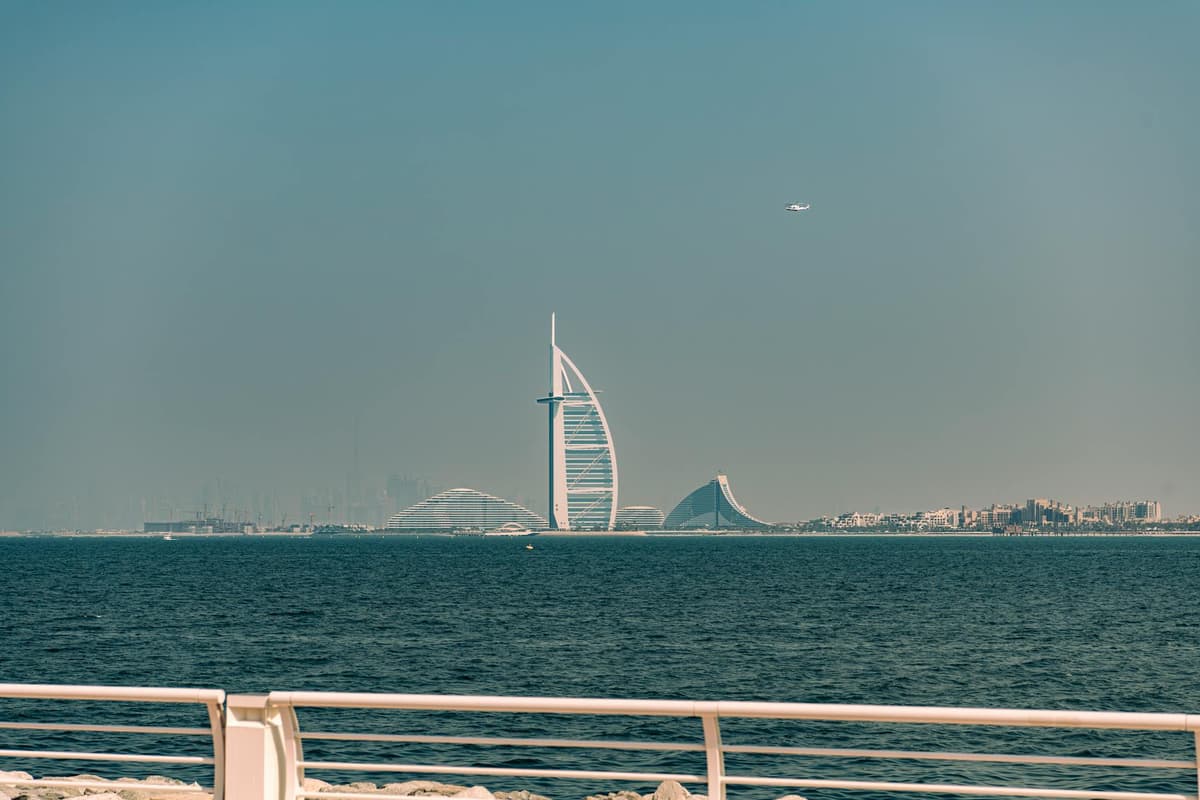
The Middle East picture is defined by scale and strategic intent, with Saudi Arabia and Qatar setting the clearest hospitality investment agenda for the region. Government-linked sovereign wealth funds and national tourism strategies are driving development at a tempo and to a quality standard that purely private capital could not sustain independently. The properties opening across Saudi Arabia's giga-projects and Qatar's event-led hospitality market are not commercial opportunism. They are long-term bets on tourism as an economic pillar, backed by capital that can wait for returns.
David turns to Africa with a more nuanced read. The first wave of branded hotel development on the continent was driven predominantly by international visitor demand and the needs of business travel. The second wave, the one he argues is now beginning, is materially different in its demand base. Rising middle-class populations across Nigeria, Kenya, Ethiopia, and East Africa more broadly are generating domestic travel demand that changes the commercial model for hotel investment. A property built for international guests requires a very different yield calculation than one with a reliable domestic occupancy base, and the developers getting this right are those who have understood that shift.
The investment community's approach to African political risk has also matured considerably. The era of blanket discount applied to sub-Saharan Africa as a monolithic risk category is giving way to genuinely country-specific analysis. The capital moving into Kenyan hospitality in 2026 is making a different calculation than the capital considering Nigerian projects, and the analytical frameworks are getting sharper. This does not mean African hotel investment is low-risk, it is not, but it does mean the risk is being priced more accurately, which creates better investment decisions on both sides.
David's closing argument is about constraints. The binding limit on hotel development in Africa's highest-growth markets is not capital availability, there is appetite from a growing range of investors. It is management talent and supply chain reliability. The brands expanding across the continent are discovering that their standard operating models require adaptation, and the most successful ones are those investing in local talent development rather than parachuting in management teams from established markets. That investment takes time, but it builds the durable operational capability that can sustain a hotel at the quality level the investment thesis requires.

Hospitality121 Podcast
David Okafor on Hotel Investment in Africa and the Middle East
David Okafor · 51 min
Listen on
Episode notes
David Okafor examines the capital flows, development pipelines, and investment dynamics shaping hotel growth across Africa and the Middle East.
Key Takeaways
- The Middle East pipeline represents the most concentrated luxury hotel development in a single region since the Asian expansion of the 2000s — and the capital is patient, strategic, and government-backed.
- Sub-Saharan Africa is entering a second wave of branded hotel development, driven by growing middle-class domestic travel demand rather than international tourist arrivals.
- Investors in African hospitality are pricing political risk more sophisticatedly than they were a decade ago — the blanket discount applied to the continent is giving way to country-specific analysis.
- The biggest constraint on new hotel development in high-growth African markets is not capital — it is management talent and supply chain reliability.
About David Okafor
Investment & Development Editor, Hospitality121
David Okafor reports on hotel investment, brand expansion, and the capital flows driving new development across Africa, the Middle East, and emerging markets. He brings a finance background to hospitality industry analysis.
LinkedIn Profile →About the author
David OkaforDavid Okafor reports on hotel investment, brand expansion, and the capital flows driving new development across Africa, the Middle East, and emerging markets. He brings a finance background to hospitality industry analysis.